What Is the Gospel? The Good News Explained Simply
Understand the heart of the Christian faith. We break down the meaning of 'the gospel,' why it matters, and how the life, death, and resurrection of Jesus Christ changes everything for us today.
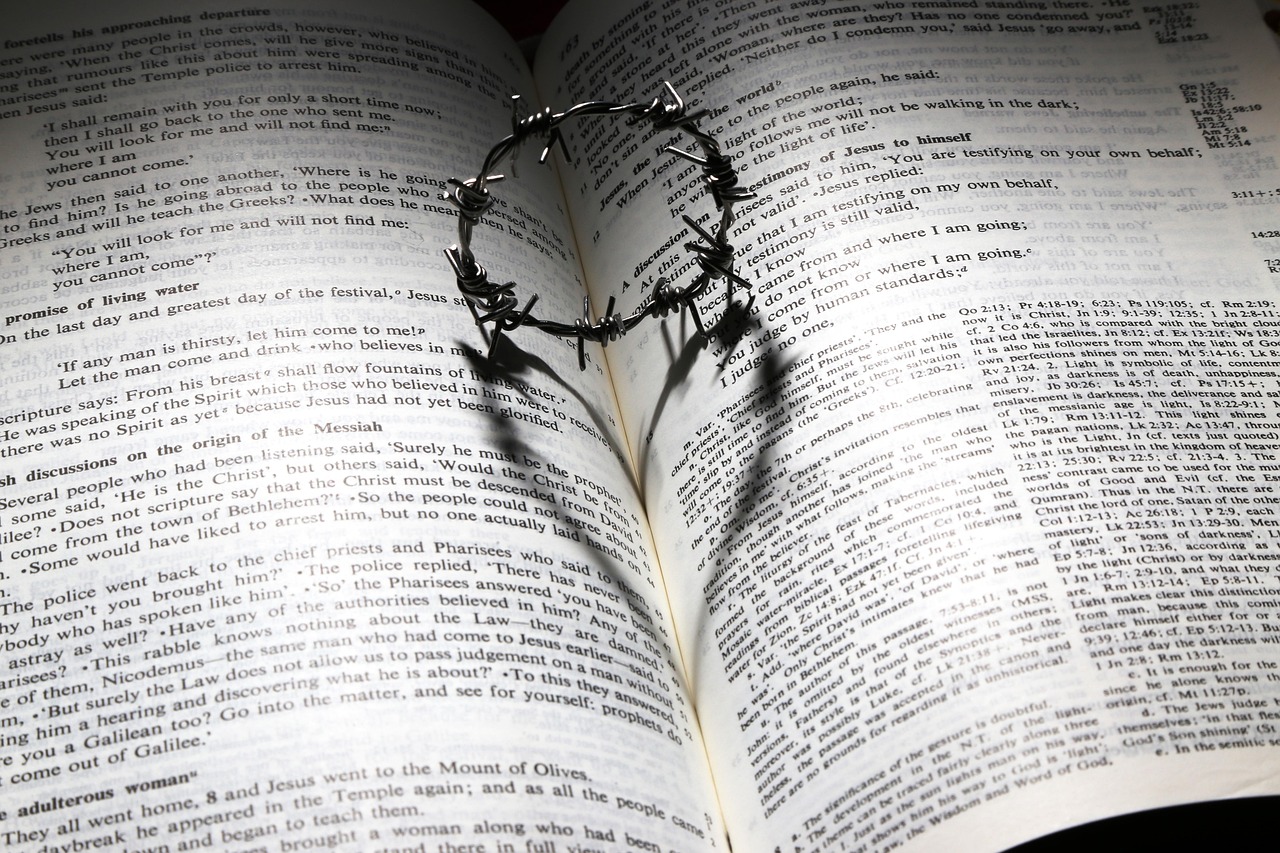
If you have spent any time around a church or chatting with Christian friends, you have likely heard the word 'gospel' tossed around quite a bit. We talk about gospel music, gospel preaching, and 'living out the gospel.' But if someone sat you down and asked, 'What is the gospel, exactly?' would you have a clear answer?
It is easy to get lost in religious jargon, but the message itself is remarkably simple yet infinitely deep. At its heart, the gospel is the most important announcement in human history. It isn't a set of instructions or a self-help program; it is a report of something that has already happened—something that changes your past, your present, and your eternal future.
In this article, we are going to strip away the complex terminology and look at the heart of the Christian faith. We will explore why we need this news, what Jesus actually accomplished, and how this 'Good News' can practically transform your life starting today.
The Meaning of the Word: Good News
The word 'gospel' is a translation of the Greek word 'euangelion.' In the first century, this wasn't strictly a religious word. It was a term used to announce a massive, life-altering victory. Imagine a messenger running back from a battlefield to a city, shouting 'Good news!' to the citizens. He isn't telling them to go out and fight; he is telling them the fight has been won and they are now safe.
When we ask 'what is the gospel?' in a biblical sense, we are looking at a similar announcement. It is the declaration that God has stepped into human history to rescue His creation. It is news about a King who has come to reclaim His kingdom and a Savior who has come to pay a debt He didn't owe because we owed a debt we couldn't pay.
The Problem: Why We Need Good News
To truly appreciate the light, you have to understand the darkness. The gospel only makes sense when we understand the problem of sin. The Bible tells us that God created a perfect world, but humanity chose to rebel. We decided we wanted to be our own gods, defining right and wrong for ourselves. This rebellion is what the Bible calls sin.
Romans 3:23 says, 'For all have sinned and fall short of the glory of God.' This isn't just about 'bad people' doing 'bad things.' It is a universal human condition. Sin creates a chasm between us and a perfectly holy God. Because God is just, He cannot simply ignore evil. The 'bad news' that sets the stage for the gospel is that we are separated from our Creator and unable to bridge that gap on our own.
The Person: Who Is Jesus Christ?
The center of the gospel isn't a philosophy; it is a person. Jesus Christ is the hinge upon which all of history swings. Christians believe that Jesus is fully God and fully man. He lived the life we should have lived—a life of perfect obedience to God—and yet He suffered the fate we deserved.
When we ask what is the gospel, we are pointing directly at Jesus. In John 14:6, Jesus said, 'I am the way and the truth and the life. No one comes to the Father except through me.' He didn't come just to be a moral teacher or a good example. He came to be a substitute. He took our place, absorbing the consequences of our rebellion so that we could be restored to God.
The Work: The Cross and the Empty Tomb
The 'heart' of the gospel message is found in two events: the death and resurrection of Jesus. On the cross, a 'divine exchange' took place. Our sin was placed on Jesus, and His righteousness was offered to us. 1 Peter 3:18 explains it beautifully: 'For Christ also suffered once for sins, the righteous for the unrighteous, to bring you to God.'
But the story didn't end at the grave. Three days later, Jesus rose from the dead, proving that He had authority over sin and death. The resurrection is the 'receipt' that shows the debt has been paid in full. Because He lives, we have the hope of a new life today and an eternal life in the future. Without the resurrection, the gospel would just be a tragedy; with it, it is a triumph.
The Response: Grace Through Faith
If you receive a gift, it isn't yours until you reach out and take it. The gospel is a free gift of grace, but it requires a response. That response is summarized in two words: repentance and faith. Repentance isn't just feeling guilty; it is a 'change of mind' that leads to a change of direction. It means turning away from our own self-sufficiency and turning toward God.
Faith is more than just intellectual agreement. It is a deep, personal trust in what Jesus did for you. Ephesians 2:8-9 reminds us, 'For it is by grace you have been saved, through faith—and this is not from yourselves, it is the gift of God—not by works, so that no one can boast.' You cannot earn the gospel; you can only receive it with grateful hearts.
The Transformation: Life After the Gospel
A common misconception is that the gospel is only about 'getting into heaven.' While eternal life is a wonderful promise, the Good News is also about a transformed life right now. When you embrace the gospel, God sends His Holy Spirit to live within you. This isn't about trying harder to be good; it's about a new power working inside you to change your desires.
The gospel changes how we see ourselves—no longer as failures or 'projects,' but as beloved children of God. It changes how we see others, moving us to forgive because we have been forgiven. It gives us a new purpose: to share this incredible news with a world that is hurting and hopeless. The gospel is the fuel for a life of joy and service.
Practical Steps: How to Apply the Gospel Today
So, how do you practically live in light of this? First, start every day by reminding yourself of the gospel. Remind yourself that you are more sinful than you ever dared believe, but more loved than you ever dared hope. This keeps us humble and confident at the same time. Second, dive into the Word. Read the book of John or Romans to see the beauty of God's plan unfolding.
Third, talk to God. Prayer isn't a formal ritual; it's a conversation with the Father who rescued you. Finally, find a community of believers. The Christian life was never meant to be a solo journey. We need the local church to help us understand and apply 'what is the gospel' in our families, our workplaces, and our neighborhoods. Every day is an opportunity to walk in the freedom Jesus bought for us.
Final Thoughts
The gospel is not just a gate we walk through once; it is the path we walk every day. It is the power of God that saves us, sustains us, and eventually brings us home to Him. It is the greatest news the world has ever heard, and it is available to you today.
If you have never responded to this message, I encourage you to talk to God right now. Acknowledge your need, thank Him for Jesus, and ask Him to lead your life. The Good News is that He is already waiting with open arms.
Continue your study with our companion guide: What Does the Bible Say About Death? Hope Beyond the Grave.
Frequently Asked Questions
What does the word 'gospel' literally mean?
The word 'gospel' comes from the Greek word 'euangelion,' which literally means 'good news.' In the ancient world, it was often used to describe the announcement of a victory in battle or the birth of a king.
Is the gospel just a set of rules to follow?
While the Bible is full of helpful instructions, the gospel is not 'good advice' on how to live; it is 'good news' about what God has already done through Jesus. It is a historical announcement that requires faith, not a list of rules to earn favor.
Can I be good enough to get to heaven without the gospel?
No one is 'good enough' to earn salvation. The Bible says in Romans 3:23 that all have sinned. The beauty of the gospel is that Jesus was perfect on our behalf because we couldn't be. Salvation is a gift of grace, not a reward for effort.
What are the four main parts of the gospel?
The core elements are the holiness of God, the sinfulness of humanity, the substitutionary death and resurrection of Jesus Christ, and the necessity of faith and repentance. Together, these form the message of salvation.
Newsletter
Get weekly encouragement in your inbox
Join our newsletter for new Bible studies, prayer guides, and devotionals — every Sunday. No spam, unsubscribe anytime.
We respect your privacy. Read our privacy policy.
Related Articles
More from Bible Study and across Faithful Today Info.
Explore the deep biblical meaning of the Lord's Supper. Discover what is communion, its historical roots, and how this sacred meal connects us to Christ and the Church.

Explore the biblical perspective on death, the promise of the resurrection, and the hope we have in Jesus Christ. Understand why death is not the end for those in Him.

Discover the profound meaning of the 9 fruits of the Holy Spirit found in Galatians 5. Learn how to cultivate love, joy, peace, and more through a verse-by-verse study designed for daily Christian living.