What Is Communion in the Bible? Meaning of the Lord's Supper
Explore the deep biblical meaning of the Lord's Supper. Discover what is communion, its historical roots, and how this sacred meal connects us to Christ and the Church.
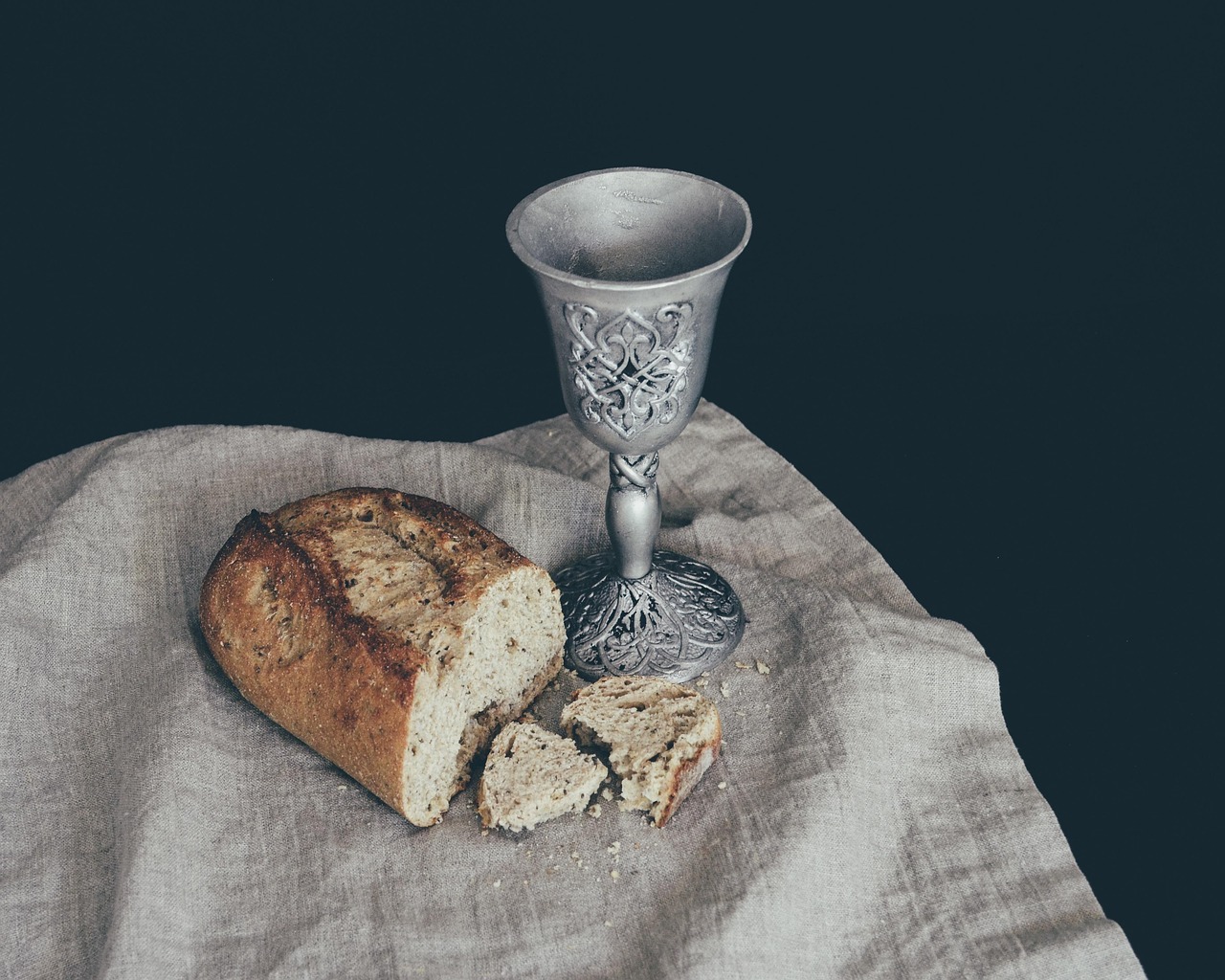
There is a profound, quiet beauty that settles over a congregation when the elements of bread and juice are brought forward. For centuries, Christians have gathered around a table to participate in a ritual that transcends time and culture. But for many sitting in the pews, a lingering question remains: what is communion, and why does it hold such a central place in our faith?
At its heart, the Lord’s Supper is more than a religious tradition or a break in the service. It is a sacred invitation from Jesus Himself to remember His sacrifice, celebrate our present union with Him, and look forward to the day we feast with Him in glory. It is a moment where the physical meets the spiritual, and the Gospel is made visible to our eyes and tangible to our touch.
In this study, we will walk through the biblical foundations of this holy meal. We’ll explore the 'what,' 'why,' and 'how' of the Lord's Supper, helping you move past the routine and into a deeper, more vibrant encounter with the Savior who invites you to His table.
The Biblical Origin: From Passover to the Lord’s Table
To understand what is communion, we must first look back at the Upper Room. On the night He was betrayed, Jesus gathered His disciples for the Passover meal—a feast that commemorated God’s deliverance of Israel from Egyptian bondage. As they ate the lamb and the unleavened bread, Jesus did something radical: He reinterpreted the elements to point toward Himself.
In Matthew 26:26-28, we read that Jesus took bread, blessed it, and broke it, saying, 'Take, eat; this is my body.' Then He took the cup, gave thanks, and said, 'Drink of it, all of you, for this is my blood of the covenant, which is poured out for many for the forgiveness of sins.' In this moment, Jesus moved the focus from the shadow of the Old Covenant to the substance of the New Covenant.
A Memorial of Love: 'Do This in Remembrance of Me'
One of the primary facets of the Lord’s Supper is the act of remembrance. In 1 Corinthians 11:24, Paul recounts Jesus' command: 'Do this in remembrance of me.' Human beings are prone to spiritual amnesia; we forget the cost of our salvation and the depth of God’s grace amidst the noise of daily life. Communion serves as a 'holy interrupt.'
When we take the bread, we remember that Christ’s body was broken for our healing and wholeness. When we take the cup, we remember that His blood was shed to wash away our sins. It is not just a mental exercise of recalling facts; it is a heart-centered 're-collecting' of our identity in Christ, anchoring our souls in the finished work of the cross.
A Communion of Saints: The Horizontal Dimension
While we often think of Communion as a private moment between 'me and Jesus,' the Bible emphasizes its communal nature. The word 'communion' comes from the Greek word *koinonia*, meaning fellowship or participation. When we eat from the same loaf and drink from the same cup, we are testifying to our unity as the Body of Christ.
Paul writes in 1 Corinthians 10:17, 'Because there is one bread, we who are many are one body, for we all partake of the one bread.' This means that the Lord’s Supper is a time to mend broken relationships and celebrate our shared life in the Spirit. You cannot be in right communion with the Head (Christ) while intentionally remaining at odds with His Body (the Church).
A Proclamation of Hope: Looking Toward the Future
Communion is not only a backward-looking memorial; it is a forward-looking proclamation. Paul tells us that 'as often as you eat this bread and drink the cup, you proclaim the Lord's death until he comes' (1 Corinthians 11:26). Every time we celebrate the Lord’s Supper, we are making a bold statement to the world that Jesus is coming back.
This creates a sense of 'holy homesickness.' It reminds us that while we are nourished by this small meal now, a greater Wedding Supper of the Lamb awaits us. It fuels our hope in the midst of a broken world, reminding us that the story doesn't end at the grave, but at a table where every tear will be wiped away and we will see Him face to face.
The Spiritual Reality: Encountering the Presence of Christ
What is communion if not a spiritual encounter? While denominations may disagree on the mechanics of how Christ is present in the elements, all orthodox Christians agree that He is present by His Spirit. John 6:53-55 records Jesus saying, 'For my flesh is true food, and my blood is true drink.' This speaks to a deep spiritual nourishment that occurs when we partake in faith.
Just as our physical bodies need bread and water to survive, our souls need the constant grace of Jesus. When we participate in the Lord’s Supper, we are symbolically and spiritually 'feeding' on Christ—drawing our strength, our joy, and our very life from Him. It is a means of grace that strengthens us for the journey ahead.
Practical Steps for Partaking Worthily
Taking Communion is a serious and joyful act that requires preparation of the heart. The Bible encourages us to examine ourselves before we eat the bread and drink the cup (1 Corinthians 11:28). This isn't about being perfect—if we were perfect, we wouldn't need the sacrifice!—but about being honest and repentant before the Lord.
Before you partake, take a moment of silence. Ask the Holy Spirit to reveal any unconfessed sin or bitterness in your heart. Confess it, receive God’s forgiveness, and if possible, resolve conflicts with others. Approach the table with humility, gratitude, and a genuine hunger for God's presence. Remember, the table is for sinners who recognize their need for a Savior.
Communion Beyond the Sanctuary Walls
While we typically celebrate the Lord's Supper in a church building, the early believers often broke bread in their homes (Acts 2:46). Understanding what is communion allows us to see its significance in various settings. Whether in a hospital room, a small group, or a family gathering, the elements remain a powerful testimony to Christ's work.
If you are partaking in a non-traditional setting, keep the focus on the Word. Read the 'Words of Institution' from 1 Corinthians 11 or one of the Gospels. Ensure that the atmosphere remains one of reverence and joy. The location matters far less than the heart's posture and the shared faith of those gathered around the symbols of our redemption.
Final Thoughts
Communion is not just a ritual we perform; it is a lifeline we receive. As we look at the bread and the cup, we see the tangible evidence that we are loved, forgiven, and never alone. It is the family meal of the kingdom of God, a moment where heaven touches earth and our souls are fed by the Bread of Life.
As you approach the Table this week, do so with a heart full of wonder. Let the gravity of Christ's sacrifice settle over you, and let the joy of His resurrection lift you up. Whether you are in a grand cathedral or a small home group, the Lord is there, inviting you to taste and see that He is good.
Continue your study with our companion guide: The 9 Fruits of the Holy Spirit: Galatians 5 Explained Verse by Verse.
Frequently Asked Questions
How often should a church celebrate Communion?
The frequency of Communion varies by church tradition. Some celebrate it weekly (as seen in the early church in Acts), while others observe it monthly or quarterly. The Bible does not give a specific command on frequency, only stating 'as often as you drink it' (1 Corinthians 11:25).
Does the bread and wine literally turn into Jesus’ body?
Most evangelical traditions believe the bread and wine are symbolic representations of Christ's body and blood, used as a memorial. Some traditions believe in a 'spiritual presence' where Christ is uniquely present during the meal, while others believe in 'transubstantiation.' The core biblical focus is on the remembrance and proclamation of His death.
Can anyone take Communion, or do I need to be a member?
In the New Testament, Communion was for those who had placed their faith in Christ and were part of the community of believers. It is a meal of fellowship for the family of God. Most stirch leaders encourage those who have not yet made a commitment to Christ to observe but refrain from partaking until they have made that decision.
What does it mean to take Communion in an unworthy manner?
Paul warns against taking it in an 'unworthy manner' in 1 Corinthians 11. This usually refers to harboring bitterness toward others in the church or treating the meal with flippant disregard. It is a time for self-reflection and confession, ensuring our hearts are aligned with God.
Newsletter
Get weekly encouragement in your inbox
Join our newsletter for new Bible studies, prayer guides, and devotionals — every Sunday. No spam, unsubscribe anytime.
We respect your privacy. Read our privacy policy.
Related Articles
More from Bible Study and across Faithful Today Info.

Explore the biblical perspective on death, the promise of the resurrection, and the hope we have in Jesus Christ. Understand why death is not the end for those in Him.

Discover the profound meaning of the 9 fruits of the Holy Spirit found in Galatians 5. Learn how to cultivate love, joy, peace, and more through a verse-by-verse study designed for daily Christian living.

Many see the story of David and Goliath as a simple underdog tale, but the biblical reality is far deeper. Discover how this ancient battle reveals God's sovereignty and our source of true courage.