What Is Salvation in the Bible? A Clear Biblical Explanation
Explore the biblical meaning of salvation, from the need for a Savior to the promise of eternal life, and discover how God's grace transforms our lives today.

Have you ever felt like there was a gap between who you are and who you were meant to be? Most of us have experienced that nagging sense that something in the world—and something within ourselves—is fundamentally broken. In the quiet moments of the night, we wonder if there is a way to be truly right with our Creator. This is where the central theme of the Christian faith comes into view.
When we ask, 'What is salvation in the bible?' we aren't just looking for a technical definition or a theological checklist. We are looking for the story of a God who refuses to give up on His creation. Salvation is the heartbeat of Scripture, a grand narrative of rescue, healing, and restoration that spans from the first pages of Genesis to the final echoes of Revelation.
Understanding salvation isn't just about 'getting into heaven' after we die. It's about a transformation that begins right here and now. It’s about being rescued from the power of sin and brought into a vibrant, living relationship with Jesus Christ. Let’s walk through the Word together to see what this beautiful rescue looks like for you.
The Problem: Why We Need a Savior
To understand the beauty of the cure, we must first be honest about the disease. The Bible begins with the tragic reality that humanity, though created in the image of God, chose to rebel. This rebellion is what the Bible calls 'sin.' It isn't just a list of bad deeds; it is a condition of the heart that separates us from a holy and perfect God.
Romans 3:23 states it clearly: 'For all have sinned and fall short of the glory of God.' This 'falling short' creates a chasm that we cannot bridge on our own. Because God is just, He cannot simply ignore sin. The wages of sin is death (Romans 6:23)—not just physical death, but a spiritual separation from the source of all life and goodness. This is the starting point for understanding what is salvation in the bible: the recognition that we are in a situation we cannot fix ourselves.
The Provision: Jesus Christ, the Lamb of God
The 'Good News' or Gospel starts with what God did because of His great love for us. Even while we were still in our rebellion, God set a rescue plan in motion. He didn't send a set of rules; He sent His Son. Jesus Christ, being fully God and fully man, lived the perfect life we could never live and then took the punishment we deserved upon Himself on the cross.
As 2 Corinthians 5:21 says, 'God made him who had no sin to be sin for us, so that in him we might become the righteousness of God.' This is the cornerstone of the biblical explanation of salvation. Jesus acted as our substitute. By rising from the grave three days later, He proved that He had victory over sin and death, opening the door for us to be reconciled to the Father.
The Pathway: Grace Through Faith
One of the most common misconceptions is that we have to 'clean ourselves up' before we can come to God. But the Bible tells a different story. Salvation is a gift (Ephesians 2:8-9). You can’t earn a gift; you can only receive it. The pathway to receiving this gift consists of two interconnected responses: repentance and faith.
Repentance is a word that simply means 'turning.' It’s a change of heart where we agree with God about our sin and decide to turn away from it toward Him. Faith is more than just intellectual agreement that Jesus existed; it is a deep, personal trust in Him as Savior and Lord. It’s like sitting in a chair—you don't just believe the chair can hold you; you actually put your weight on it. When we place our 'weight' on Jesus, we are saved.
The Power of Justification: A New Legal Standing
What happens the moment we believe? A profound legal shift occurs in the courtroom of heaven. This is called justification. Because of the work of Jesus, God declares us 'not guilty.' More than that, He credits the perfect righteousness of Jesus to our account. Look at Romans 5:1: 'Therefore, since we have been justified through faith, we have peace with God through our Lord Jesus Christ.'
Imagine a debt so large you could never pay it back. Now imagine someone steps in, pays the entire debt, and then puts a billion dollars in your bank account. That is a glimpse of justification. You are no longer an enemy of God or a stranger to Him; you are justified, cleared of all charges, and brought into His family as a beloved child.
The Process of Sanctification: Becoming Like Jesus
While our standing with God changes instantly (justification), our character changes over time. This is the part of salvation called sanctification. Once we are saved, the Holy Spirit comes to live within us, giving us new desires and the power to live a life that honors God. It is a lifelong journey of growing in grace.
Philippians 2:12-13 encourages us to 'work out your salvation with fear and trembling, for it is God who works in you to will and to act in order to fulfill his good purpose.' Notice it says work 'out,' not work 'for.' We aren't working to get saved; we are working out the salvation that God has already put inside us. This is the practical, daily experience of what is salvation in the bible—the gradual transformation of our tempers, our habits, and our loves.
The Promise of Glorification: Our Future Hope
The final stage of salvation is something we haven't experienced yet, but it is our certain hope: glorification. This is the moment when Christ returns or when we go to be with Him, and we are finally and completely freed from the presence of sin. We will receive new, resurrected bodies that will never hurt, age, or fail.
In Revelation 21:4, we are given the beautiful promise that 'He will wipe every tear from their eyes. There will be no more death or mourning or crying or pain.' This is the 'finish line' of salvation. It reminds us that our story doesn't end in a grave; it ends in a glorious kingdom where we will live in perfect joy with God forever. This is the ultimate answer to what is salvation in the bible—total restoration.
Practical Steps: How to Respond to God Today
If you are reading this and feeling a tug on your heart, that is likely the Holy Spirit inviting you into this relationship. Responding isn't about saying a magic formula, but about an honest conversation with God. You can start by simply talking to Him. Acknowledge your need for Him, thank Him for Jesus' sacrifice, and ask Him to be the Lord of your life.
After that initial step, start reading the Gospel of Mark or John to learn more about Jesus. Find a local, Bible-believing church where you can grow alongside others. Salvation is a personal decision, but it was never meant to be a lonely journey. We are brought into a 'body'—the church—to support and encourage one another as we follow our Savior.
Final Thoughts
Ultimately, salvation is not a reward for the righteous, but a rescue for the reachable. It is a gift of grace that begins the moment we believe and extends into a glorious eternity where we will see our Savior face-to-face.
If you are hearing the whisper of God today, do not harden your heart. Reach out to Him in prayer. Open your Bible to the Gospel of John. Your journey is just beginning, and the one who started this good work in you is faithful to complete it.
Continue your study with our companion guide: What Does the Bible Say About Death? Hope Beyond the Grave.
Frequently Asked Questions
Why do I need salvation in the first place?
Simply put, we need salvation because sin has separated us from God. Romans 3:23 tells us that everyone has sinned and fallen short of God's glory. This separation leads to spiritual death and eternal separation from Him, unless we are reconciled through Christ.
Can I lose my salvation or earn it through good works?
The Bible teaches that salvation is a gift received through faith, not earned by works. Ephesians 2:8-9 clarifies that it is by grace we are saved through faith. While good works are a natural result of a changed heart, they are not the 'payment' for our entry into heaven.
What does it mean to 'repent'?
Repentance means a 'change of mind' or a turning. It involves acknowledging our sin, feeling a godly sorrow for it, and choosing to turn away from that path toward God. It is a vital part of the response to the Gospel message.
Is baptism required for salvation?
Baptism is a vital act of obedience and a public profession of faith. While denominations view the timing and mode differently, the Bible describes it as an outward sign of the inward reality that we have died to our old selves and been raised to new life in Christ (Romans 6:4).
How can I be sure that I am truly saved?
Assurance comes from the promises of God's Word. 1 John 5:13 says, 'I write these things to you who believe in the name of the Son of God so that you may know that you have eternal life.' If your trust is in Christ alone, His Spirit will bear witness with your spirit that you are His child.
Newsletter
Get weekly encouragement in your inbox
Join our newsletter for new Bible studies, prayer guides, and devotionals — every Sunday. No spam, unsubscribe anytime.
We respect your privacy. Read our privacy policy.
Related Articles
More from Bible Study and across Faithful Today Info.
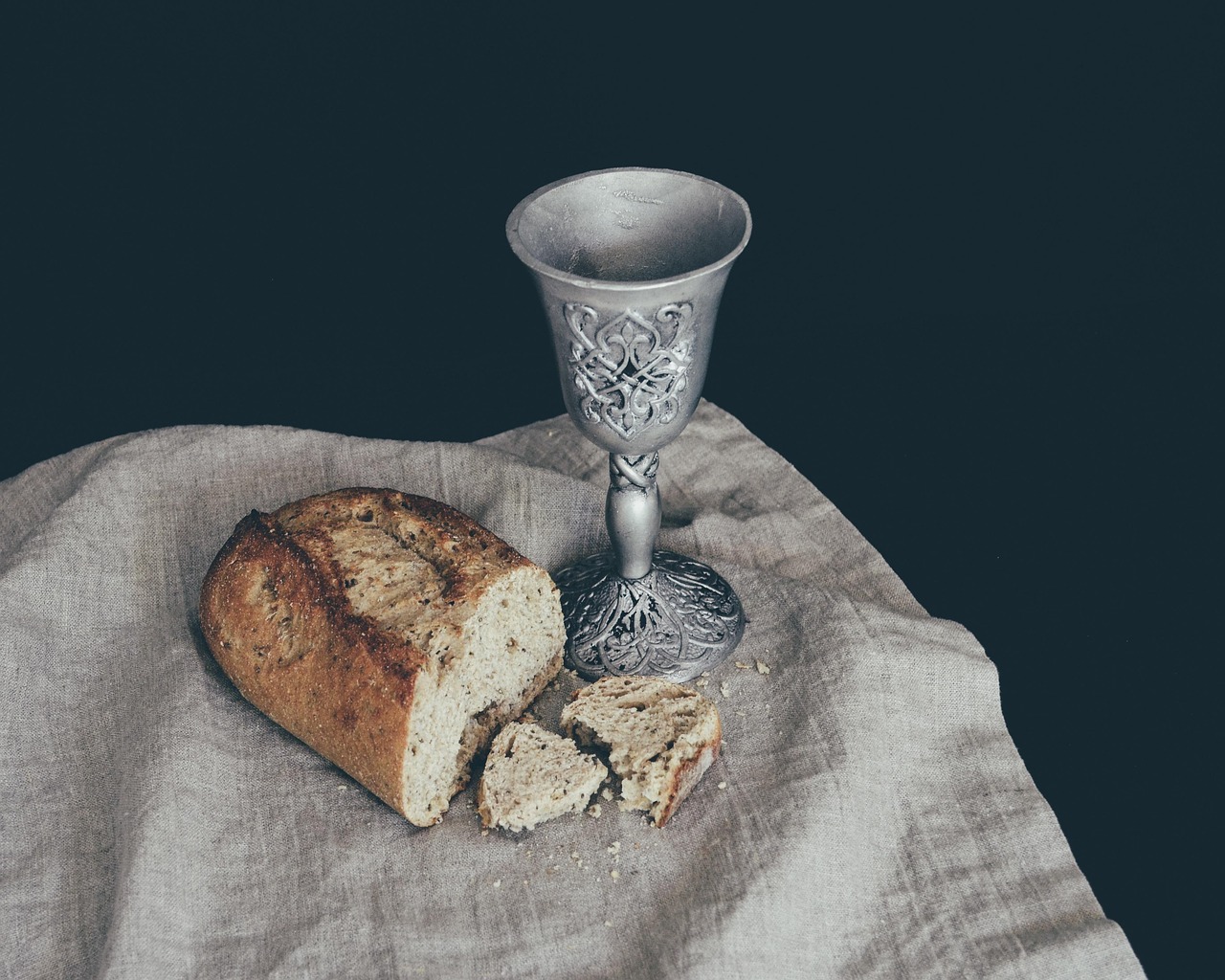
Explore the deep biblical meaning of the Lord's Supper. Discover what is communion, its historical roots, and how this sacred meal connects us to Christ and the Church.

Explore the biblical perspective on death, the promise of the resurrection, and the hope we have in Jesus Christ. Understand why death is not the end for those in Him.

Discover the profound meaning of the 9 fruits of the Holy Spirit found in Galatians 5. Learn how to cultivate love, joy, peace, and more through a verse-by-verse study designed for daily Christian living.