The Ten Commandments Explained: Meaning and Modern Application
Discover the deep meaning and modern relevance of the Ten Commandments. Learn how these ancient laws provide a roadmap for a flourishing life and a closer relationship with God today.
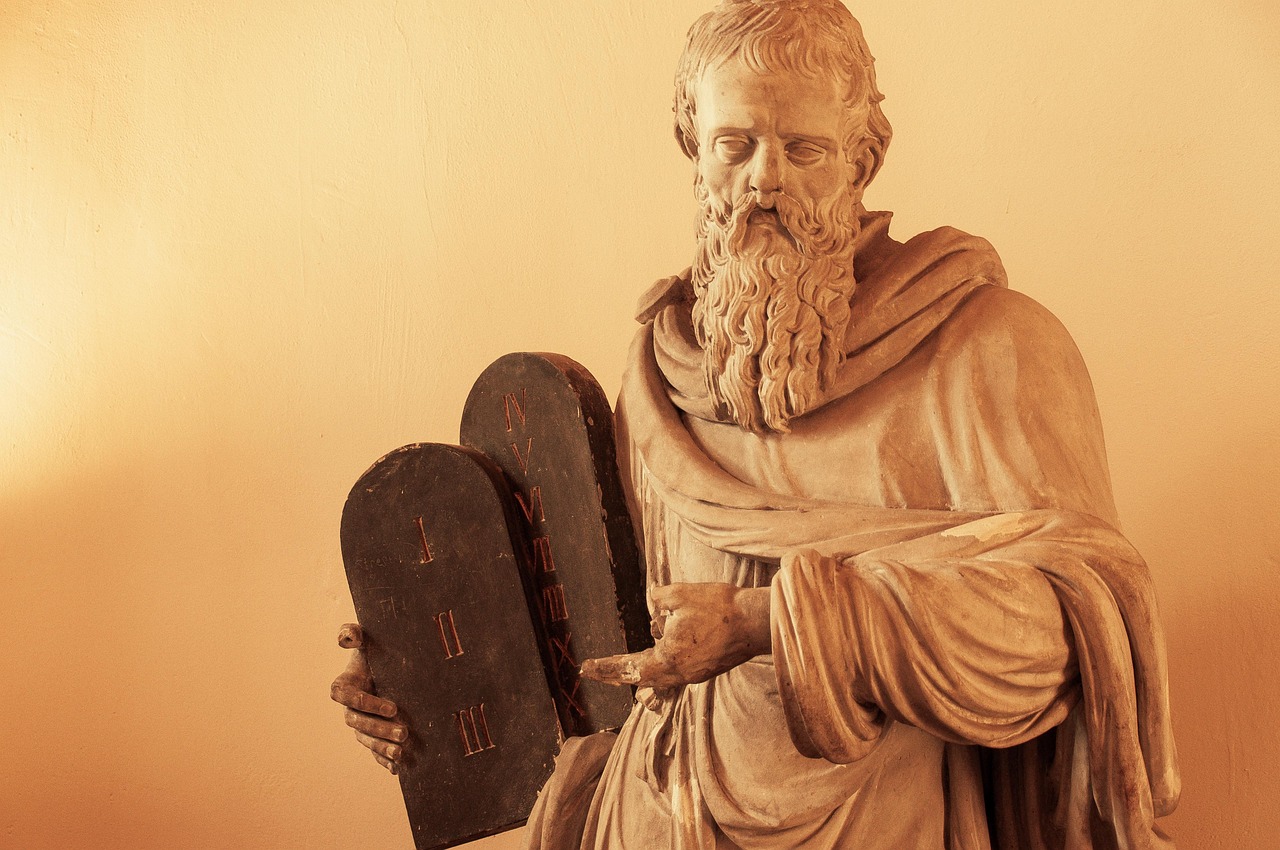
There is something profoundly steadying about the Ten Commandments. In a world where moral goalposts seem to shift by the hour, these 'Ten Words' given to Moses on Mount Sinai stand as a timeless foundation for human flourishing. They aren't just a list of 'thou shalt nots' designed to dampen our fun; they are the architectural blueprints for a life lived in harmony with our Creator and our neighbors.
When we see the Ten commandments explained through the lens of God's love, we realize they are more like guardrails on a mountain road than bars on a cage. They protect us from the precipice of self-destruction and guide us toward the abundant life Jesus promised. In this study, we will explore what each commandment means for us in the twenty-first century.
Priority: Putting God First in a Distracted World
The first three commandments focus on our vertical relationship—our devotion to God. 'You shall have no other gods before me' (Exodus 20:3) is the fundamental starting point. In the ancient world, this meant rejecting literal idols. Today, our 'gods' are more subtle. They are the things we look to for security, identity, or satisfaction instead of the Lord. Think about where your mind drifts when it’s idle; often, that is where your heart’s functional god resides.
To apply this today, we must practice 'first-fruits' living. This means giving God the first part of our day, the first portion of our income, and the first say in our decisions. When the Ten commandments explained in this light take root, we find that everything else in our lives begins to fall into its proper place. It is only when God is at the center that the rest of our world finds its orbit.
Worship: Guarding the Image of the Holy
The second commandment warns against making carved images (Exodus 20:4-6), while the third commands us not to take the Lord’s name in vain (Exodus 20:7). At their heart, these commands are about how we perceive and represent God. We are called to worship God as He has revealed Himself, not as we wish Him to be. Creating a 'god of our own imagination' is just as dangerous as carving one out of wood or stone.
Honoring God's name is about more than avoiding profanity; it's about our witness. If we call ourselves Christians (literally 'Christ-bearers') but live in a way that contradicts His character, we are taking His name in vain. Living this out means practicing integrity in our speech and ensuring our public testimony matches our private reality. We carry His reputation in our hands every time we step out into the world.
Rhythm: The Gift of the Sabbath
'Remember the Sabbath day, to keep it holy' (Exodus 20:8) is perhaps the most neglected commandment in our 'hustle-culture' society. Yet, it is a commandment given for our benefit. God didn't design the human spirit to run at 100% capacity seven days a week. By resting, we declare that the world doesn't depend on us—it depends on God. It is an act of trust and a rebellion against the tyranny of the urgent.
Practical application doesn't require a legalistic set of rules, but it does require intentionality. Choose a day to cease from your vocation and your 'to-do' list. Focus on activities that restore your soul and draw you closer to your family and your Creator. When we rest, we acknowledge that our worth is not tied to our productivity, but to our status as children of God.
Foundation: Honoring Authority and Family
The fifth commandment transitions us into our horizontal relationships: 'Honor your father and your mother' (Exodus 20:12). This is the first commandment with a promise—'that your days may be long in the land.' This isn't just a rule for children; it’s a lifelong principle of respect. Our parents are our first introduction to authority, and how we treat them often mirrors how we will treat other authorities and, ultimately, God Himself.
In our modern context, honoring parents might look like caring for the elderly, speaking kindly of them even when disagreements exist, or simply spending time listening to their stories. More broadly, it encourages a culture of honor where we respect those who have paved the way before us. When the family unit is healthy and respectful, the entire fabric of society is strengthened.
Sanctity: Valuing Life and Relationship
The commandments against murder, adultery, and stealing (Exodus 20:13-15) protect the sanctity of life, marriage, and property. While we might think, 'I haven't killed anyone today,' Jesus raised the bar in the Sermon on the Mount. He taught that harboring neighbor-hating anger is akin to murder in the heart (Matthew 5:21-22). Therefore, having the Ten commandments explained properly means looking at the root of our actions.
To apply these daily, we must be people who build up rather than tear down. We protect the reputations of others, we remain faithful to our promises, and we deal honestly in our business transactions. Living out the spirit of these laws means becoming a person of radical integrity who values others' well-being as much as our own. It’s about creating a safe environment where everyone can flourish.
Truth: The Power of Honest Witness
'You shall not bear false witness against your neighbor' (Exodus 20:16) is a call to be people of the truth. In an era of 'fake news' and digital exaggeration, the Christian commitment to honesty is a powerful light. False witness isn't just lying in a courtroom; it's gossip, half-truths, and the subtle ways we twist facts to make ourselves look better or others look worse.
Practicing this means being slow to speak and quick to verify. It involves defending the character of someone who isn't in the room to defend themselves. When we prioritize truth, we reflect the nature of Jesus, who called Himself 'the Way, the Truth, and the Life.' Our words have the power to create or destroy; this commandment teaches us to use that power to build a foundation of trust.
Contentment: The Cure for Coveting
The final commandment, 'You shall not covet' (Exodus 20:17), is unique because it deals entirely with the internal state of the heart. To covet is to have a disordered desire for what belongs to someone else. It is the root of so much of our modern anxiety and consumerism. While the other commandments focus on outward actions, this one goes straight for the 'why' behind what we do.
The modern application is simple but difficult: gratitude. The only way to stop coveting what your neighbor has is to start thanking God for what He has given you. When we practice contentment, we break the cycle of 'more' and find peace in God’s provision. A grateful heart is a fortress against the siren call of envy and the constant pressure to keep up with appearances.
Final Thoughts
The Ten Commandments are not a ladder we climb to reach God, but a mirror that shows us our need for Him and a map that shows us how to walk in His ways. By embracing these truths, we find the freedom and flourishing God intended for us from the very beginning.
As you study these 'Ten Words,' let them lead you back to the heart of the Father. May they be the guardrails that keep your feet steady and the light that clarifies your path in an increasingly complex world.
Continue your study with our companion guide: What Does the Bible Say About Death? Hope Beyond the Grave.
Frequently Asked Questions
Are the Ten Commandments still relevant for Christians today?
While the Old Testament ceremonial laws (like animal sacrifices) were fulfilled in Christ, the moral law—summarized in the Ten Commandments—reflects the unchanging character of God and remains a vital guide for Christian living today.
Can I get to heaven by strictly following the Commandments?
No. The Bible is clear that we are saved by grace through faith in Jesus Christ, not by keeping the law. The Commandments show us our sin and our need for a Savior; once we are saved, they show us how to live a life pleasing to God.
Where are the Ten Commandments found in the Bible?
The Ten Commandments appear twice in the Bible: first in Exodus 20 and again in Deuteronomy 5. They were given to the Israelites after their deliverance from Egypt.
How did Jesus summarize the Ten Commandments?
When asked about the greatest commandment, Jesus summarized the entire law into two points: love God with all your heart and love your neighbor as yourself (Matthew 22:37-40). This captures the spirit of the Ten Commandments.
Newsletter
Get weekly encouragement in your inbox
Join our newsletter for new Bible studies, prayer guides, and devotionals — every Sunday. No spam, unsubscribe anytime.
We respect your privacy. Read our privacy policy.
Related Articles
More from Bible Study and across Faithful Today Info.
Explore the deep biblical meaning of the Lord's Supper. Discover what is communion, its historical roots, and how this sacred meal connects us to Christ and the Church.

Explore the biblical perspective on death, the promise of the resurrection, and the hope we have in Jesus Christ. Understand why death is not the end for those in Him.

Discover the profound meaning of the 9 fruits of the Holy Spirit found in Galatians 5. Learn how to cultivate love, joy, peace, and more through a verse-by-verse study designed for daily Christian living.