The Names of Jesus in the Bible and What Each One Means
Explore the powerful names of Jesus found in Scripture and discover how each title reveals a unique aspect of His character and promise for your life.
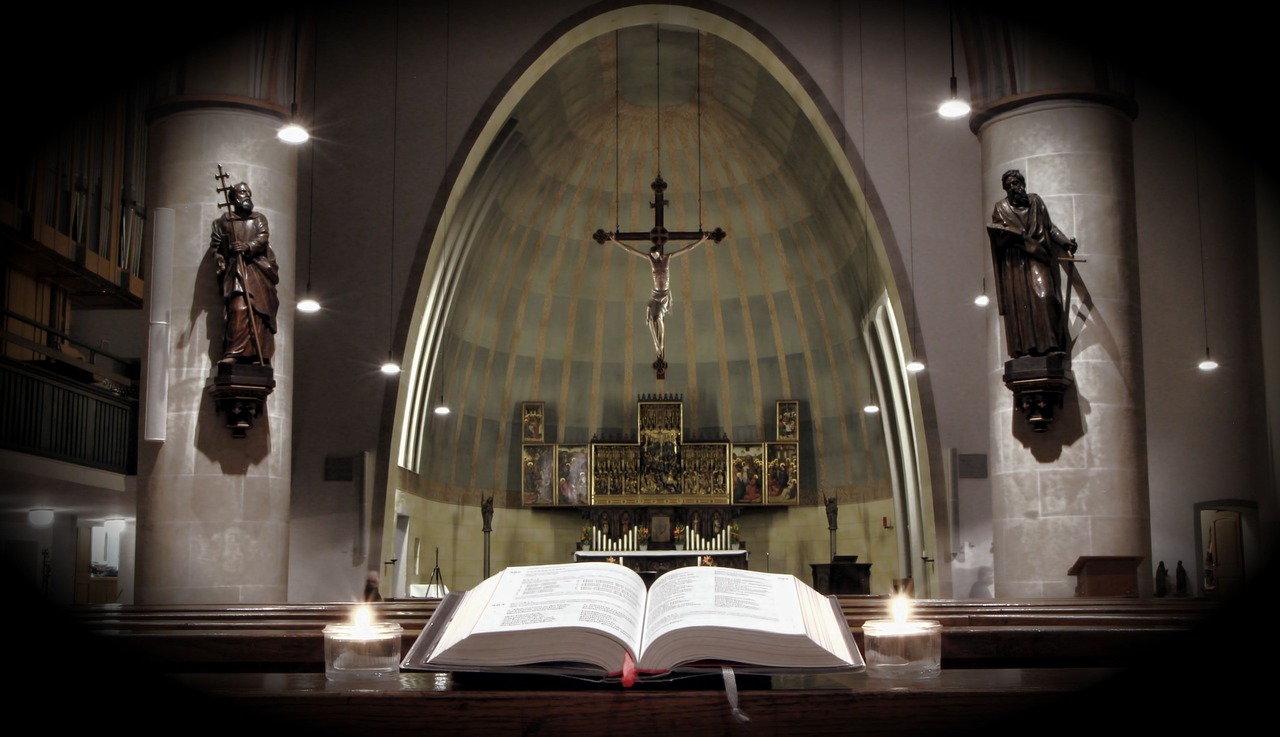
Have you ever stopped to wonder why the Bible uses so many different titles for one person? From the 'Lamb of God' to the 'Prince of Peace,' the names of Jesus are more than just poetic descriptions; they are windows into the very heart of God. In ancient biblical culture, a name wasn't just a label used to get someone's attention—it was a declaration of identity, character, and destiny.
When we study the names of Jesus, we aren't just engaging in a dry academic exercise. We are getting to know our Savior more deeply. Whether you are walking through a season of profound grief or standing on a mountain of joy, there is a specific name of Jesus that speaks directly to your current circumstance. Understanding these titles allows us to pray with more confidence and worship with more clarity.
Jesus: The Name Above Every Name
At the very heart of our faith is the name 'Jesus' itself. It’s a name so common in the first century that it might surprise us, yet it carries a meaning that changes everything. Derived from the Hebrew name 'Yeshua,' it literally means 'The Lord saves.' When the angel appeared to Joseph in a dream, the instruction was clear: 'You shall call his name Jesus, for he will save his people from their sins' (Matthew 1:21).
The beauty of this name lies in its accessibility. Jesus was fully God, yet He bore a name that real people in a real village would use. It reminds us that our God is not distant or aloof. He is the God who saves. When we call upon the name of Jesus, we are appealing to the One whose very identity is defined by His mission to rescue us. It's a name that signifies hope for the broken and mercy for the repentant.
Immanuel: God is With Us
Perhaps one of the most comforting names of Jesus is Immanuel. Found in the prophecy of Isaiah and later confirmed in the Gospel of Matthew, this name means 'God with us' (Matthew 1:23). Think about the weight of that for a moment. The Creator of the stars, the One who holds the oceans in the palm of His hand, decided that being 'up there' wasn't enough. He wanted to be 'right here.'
This name is a lifeline during seasons of loneliness or abandonment. If you feel like no one understands your struggle, remember that Immanuel entered into the human experience. He felt hunger, fatigue, and betrayal. Because He is Immanuel, you never have to walk through a dark valley alone. His presence is not a temporary visit; it is a permanent promise to those who belong to Him.
The Alpha and the Omega: The Beginning and the End
In the book of Revelation, Jesus reveals Himself as 'the Alpha and the Omega, the first and the last, the beginning and the end' (Revelation 22:13). These are the first and last letters of the Greek alphabet. By using this title, Jesus is declaring His eternal nature and His absolute sovereignty over all of human history. He was there when the first light broke over the world, and He will be there when the new heavens and new earth are revealed.
Applying this to our daily lives brings a sense of deep security. We often worry about the middle of our stories—the chapters filled with uncertainty, health scares, or financial stress. But when we look at Jesus as the Alpha and Omega, we realize that the One who started the good work in us is the same One who will bring it to completion. He has the final word over your life, and His word is one of victory.
The Prince of Peace: Ruler Over Our Chaos
In a world that often feels like it's spinning out of control, the title 'Prince of Peace' (Isaiah 9:6) offers a resting place for our weary souls. This isn't just the absence of conflict; it is the Hebrew 'Shalom'—a sense of wholeness, completeness, and well-being that only comes through a right relationship with God. Jesus doesn't just give peace; He *is* our peace.
To walk with the Prince of Peace means inviting Him into our anxieties and fears. It means choosing to believe that His authority is greater than the headlines or the storms in our personal lives. When the disciples were terrified in the middle of a literal storm, Jesus spoke 'Peace, be still,' and the wind obeyed (Mark 4:39). He wants to speak that same peace over the turbulence in your heart today.
The Good Shepherd: Our Provider and Protector
In John 10:11, Jesus makes a profound claim: 'I am the good shepherd. The good shepherd lays down his life for the sheep.' This imagery was deeply personal to His original audience. A shepherd’s job was grueling—protecting the flock from predators, finding green pastures, and ensuring that not one sheep went missing. Jesus uses this name to describe His tender care for you.
Being part of His flock means you are never forgotten. As the Good Shepherd, Jesus knows His sheep by name. He knows your quirks, your tendencies to wander, and your needs. Practically, this means we can stop trying to figure everything out on our own. We can trust His leading, even when the path doesn't make sense to us at the moment, knowing that He is leading us toward life and life abundantly.
The Bread of Life: Sustenance for the Soul
We all have hungers that physical food cannot satisfy—a hunger for meaning, for love, and for belonging. Jesus addressed this directly when He said, 'I am the bread of life; whoever comes to me shall not hunger' (John 6:35). He was teaching us that our souls were designed to be fueled by Him. Just as our bodies grow weak without bread, our spiritual lives wither without daily communion with Christ.
When we study the names of Jesus, calling Him the Bread of Life reminds us to check where we are looking for satisfaction. Are we trying to fill our lives with achievements or possessions? These are 'junk food' for the soul. They may taste good for a moment, but they leave us empty. Choosing Jesus as our Bread of Life means finding our ultimate satisfaction in His presence and His Word.
The Lamb of God: Our Perfect Sacrifice
When John the Baptist saw Jesus approaching the Jordan River, he didn't call Him a great teacher or a revolutionary. He cried out, 'Behold, the Lamb of God, who takes away the sin of the world!' (John 1:29). This title points back to the sacrificial system of the Old Testament, where a spotless lamb was required to atone for sin. Jesus became that ultimate, final sacrifice for us.
This name is the foundation of our forgiveness. Because He was the Lamb of God, the debt of our sin has been paid in full. We no longer have to live under the weight of guilt or shame. When God looks at those who trust in Jesus, He doesn't see our failures; He sees the perfection of the Lamb. This truth allows us to approach God's throne with boldness and gratitude rather than fear.
Final Thoughts
In the end, the many names of Jesus are not just theological labels; they are invitations to intimacy. Whether you need him as your Shepherd today or seek him as the Alpha and Omega of your future, his identity is your steady ground. Take time this week to meditate on one specific name, allowing it to move from your head to your heart.
When we speak the names of Jesus, we aren't just reciting history; we are calling upon the One who holds all things together. May you find peace in the Prince of Peace and purpose in the Way, the Truth, and the Life as you walk with him daily.
Continue your study with our companion guide: What Does the Bible Say About Death? Hope Beyond the Grave.
Frequently Asked Questions
How many names of Jesus are mentioned in the Bible?
There are over 100 names and titles for Jesus found throughout the Old and New Testaments, each highlighting a different facet of His divine nature and mission.
What does the name 'Jesus' actually mean?
The name 'Jesus' means 'The Lord saves' or 'Jehovah is Salvation.' It was given to Him because He came to save His people from their sins (Matthew 1:21).
Is 'Christ' a name or a title?
'Christ' is not Jesus' last name; it is a title meaning 'Anointed One.' It is the Greek equivalent of the Hebrew word 'Messiah,' referring to the promised Savior King.
Why is Jesus called Immanuel?
The name 'Immanuel' means 'God with us' (Matthew 1:23). It signifies that in Jesus, God didn't just watch us from a distance but became a human being to dwell among us.
Newsletter
Get weekly encouragement in your inbox
Join our newsletter for new Bible studies, prayer guides, and devotionals — every Sunday. No spam, unsubscribe anytime.
We respect your privacy. Read our privacy policy.
Related Articles
More from Bible Study and across Faithful Today Info.
Explore the deep biblical meaning of the Lord's Supper. Discover what is communion, its historical roots, and how this sacred meal connects us to Christ and the Church.

Explore the biblical perspective on death, the promise of the resurrection, and the hope we have in Jesus Christ. Understand why death is not the end for those in Him.

Discover the profound meaning of the 9 fruits of the Holy Spirit found in Galatians 5. Learn how to cultivate love, joy, peace, and more through a verse-by-verse study designed for daily Christian living.