The Gospel of Matthew: A Complete Overview for Bible Readers
Discover the beauty of the first book of the New Testament in this gospel of matthew overview. Explore Jesus as the promised Messiah and the King of Heaven.
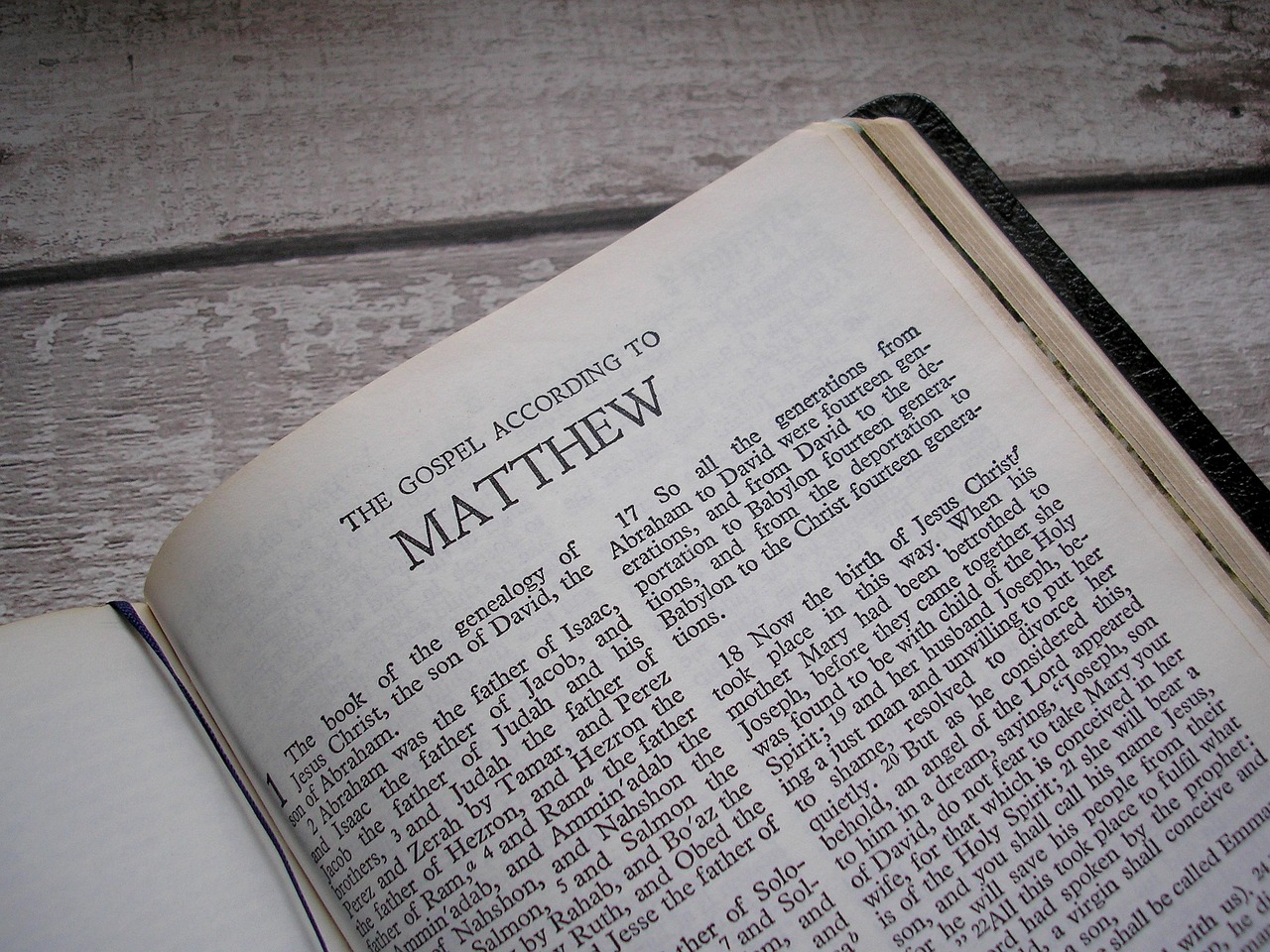
There is a profound sense of anticipation that fills the air when you turn from the final pages of Malachi to the opening words of the New Testament. After four hundred years of prophetic silence, the Gospel of Matthew bursts onto the scene with a genealogy that anchors the story of Jesus firmly in the soil of human history. For any believer seeking to understand how the Old Testament promises meet their New Testament fulfillment, this book is your essential guide.
Our goal today is to provide a comprehensive gospel of matthew overview that helps you navigate this monumental text. Matthew wasn't just recording events; he was making a pastoral case to a Jewish audience that Jesus of Nazareth is the long-awaited Messiah, the King of the Jews, and the Savior of the world. As we dive into its structure and themes, you’ll find that Matthew’s message is as urgent today as it was in the first century.
The Unique Perspective of a Transformed Tax Collector
To understand this Gospel, we have to look at the man behind the pen. Matthew, also known as Levi, was a tax collector. In first-century Israel, tax collectors were viewed as traitors—men who worked for the Roman occupiers and often lined their own pockets at the expense of their neighbors. Yet, Jesus walked up to Matthew’s booth and said two simple words: 'Follow me' (Matthew 9:9). That moment of grace transformed a social outcast into an apostle and a biographer of the King.
Matthew’s background as a tax collector likely gave him a unique skill set for writing this book. He was trained in meticulous record-keeping and was comfortable with large amounts of data. This shows up in the way he organizes his Gospel. While Mark is fast-paced and chronological, Matthew is more thematic and instructional. He wants us not only to know what Jesus did, but to deeply understand what Jesus taught. This gospel of matthew overview highlights how his life as a meticulous record-keeper served the Kingdom of God.
Jesus as the Fulfillment of Prophecy
One of the most striking features of Matthew is the frequent use of the phrase, 'All this took place to fulfill what the Lord had said through the prophet.' Matthew quotes the Old Testament more than sixty times. He is writing primarily to a Jewish audience, and his goal is clear: to prove that Jesus is the legal and spiritual heir to the throne of David and the seed of Abraham (Matthew 1:1).
From the virgin birth in Bethlehem to the flight into Egypt, Matthew meticulously connects the dots between ancient promises and current reality. When you read Matthew, you aren’t just reading a biography; you are reading the climax of a story that began in Genesis. For modern readers, this provides an incredible sense of security. It reminds us that God is a promise-keeper. If He was faithful to bring the Messiah after centuries of waiting, He will be faithful to every promise He has made to you.
The Five Pillars: The Discourses of Jesus
Matthew is beautifully structured around five major blocks of teaching, often called 'discourses.' Many scholars believe Matthew arranged the book this way to mirror the Five Books of Moses (the Torah), presenting Jesus as the 'New Moses' who gives the definitive law of God. These five discourses provide a roadmap for the Christian life and are central to any gospel of matthew overview.
These five sections include the Sermon on the Mount (Chapters 5-7), the Instruction to the Twelve (Chapter 10), the Parables of the Kingdom (Chapter 13), the Discourse on the Church (Chapter 18), and the Olivet Discourse concerning the end times (Chapters 24-25). By studying these blocks, we learn how a citizen of the Kingdom is supposed to think, act, and hope. Jesus doesn't just save us from our sins; He trains us to live in a whole new reality.
The Majesty of the Sermon on the Mount
Perhaps the most famous section of this Gospel is the Sermon on the Mount. In Matthew 5, 6, and 7, Jesus goes up onto a mountainside and lays out the 'constitution' of the Kingdom of Heaven. He begins with the Beatitudes, which turn the world’s values upside down. In God's Kingdom, it is the poor in spirit, the meek, and the peacemakers who are truly blessed (Matthew 5:3-9).
The Sermon on the Mount challenges us to move beyond external religious performance to internal heart transformation. Jesus speaks on everything from anger and lust to prayer and anxiety. He famously teaches us the Lord’s Prayer (Matthew 6:9-13) and encourages us to 'seek first the kingdom of God' (Matthew 6:33). As you study these chapters, ask yourself: Am I building my house on the sand of worldliness or the rock of Christ’s words?
The Kingdom of Heaven in Parables
Matthew is the only Gospel writer who consistently uses the term 'Kingdom of Heaven' instead of 'Kingdom of God.' This was likely out of reverence for the name of God, a common practice among his Jewish audience. In Matthew 13, Jesus uses a series of brilliant parables—short stories with deep spiritual meanings—to explain what this Kingdom is like. It is like a mustard seed that grows into a tree, or leaven that works through dough.
These parables teach us that the Kingdom starts small and often hidden, but it possesses an unstoppable power to grow and change everything it touches. He also describes the Kingdom as a 'treasure hidden in a field' or a 'pearl of great price' (Matthew 13:44-46). The application for us is simple but profound: Is knowing Jesus and being part of His Kingdom the most valuable thing in your life? Is it worth 'selling everything' to possess?
The Climax: Death, Resurrection, and Commission
Everything in Matthew’s Gospel moves toward the shadow of the cross and the light of the empty tomb. As the King of the Jews, Jesus was mocked with a crown of thorns and a sign over His head, yet His death was not a defeat—it was the ultimate victory over sin and death. Matthew highlights the supernatural events surrounding the crucifixion, including the tearing of the temple veil, signifying that we now have direct access to God (Matthew 27:51).
The Gospel ends not with a goodbye, but with a beginning. The resurrection in Chapter 28 leads directly into what we call 'The Great Commission.' Jesus, standing in all authority, commands His followers to 'go and make disciples of all nations' (Matthew 28:19). This is the heartbeat of the church. We are called to be learners (disciples) who make more learners, resting in the promise that He is with us 'always, to the very end of the age.'
Final Thoughts
As you open your Bible to the first page of the New Testament, remember that you are reading a masterpiece of divine history. The Gospel of Matthew isn't just a collection of old stories; it is a direct invitation from the King of Kings to join His kingdom. Whether you are a new believer or a seasoned saint, the words of Matthew will challenge your priorities and deepen your love for the Messiah.
Take your time walking through these twenty-eight chapters. Look for the 'Kingdom of Heaven,' listen for the echoes of the Old Testament prophets, and allow the Holy Spirit to transform your heart. Our King is here, He is with us, and His commission to go and make disciples remains our highest calling today. Your journey through Matthew is just beginning.
Continue your study with our companion guide: What Does the Bible Say About Death? Hope Beyond the Grave.
Frequently Asked Questions
Who wrote the Gospel of Matthew?
The consensus of the early church and internal evidence point to Matthew (also called Levi), a former tax collector and one of the twelve apostles, as the author. His background in record-keeping likely contributed to the organized, thematic structure of the book.
Who was the original audience?
Matthew's primary audience was Jewish Christians or seekers. This is why he frequently quotes the Old Testament and uses the phrase 'Kingdom of Heaven' instead of 'Kingdom of God' to respect Jewish sensitivities regarding the divine name.
How is Matthew different from the other Gospels?
While all four gospels tell the story of Jesus, Matthew focuses specifically on Jesus as the fulfillment of Jewish prophecy and the legal heir to David’s throne. It is more structured around teaching blocks than Mark and more Jewish-centric than Luke or John.
What is the Great Commission?
The Great Commission (Matthew 28:18-20) is the concluding command of Jesus to His followers to go into all the world, make disciples, baptize them, and teach them to obey everything He commanded. It serves as the 'marching orders' for the Christian church.
Newsletter
Get weekly encouragement in your inbox
Join our newsletter for new Bible studies, prayer guides, and devotionals — every Sunday. No spam, unsubscribe anytime.
We respect your privacy. Read our privacy policy.
Related Articles
More from Bible Study and across Faithful Today Info.

Explore the deep biblical meaning of the Lord's Supper. Discover what is communion, its historical roots, and how this sacred meal connects us to Christ and the Church.

Explore the biblical perspective on death, the promise of the resurrection, and the hope we have in Jesus Christ. Understand why death is not the end for those in Him.

Discover the profound meaning of the 9 fruits of the Holy Spirit found in Galatians 5. Learn how to cultivate love, joy, peace, and more through a verse-by-verse study designed for daily Christian living.