The Book of Genesis: A Complete Overview and Study Guide
Dive into our comprehensive book of genesis overview to discover the foundations of faith, the origins of the universe, and God's unfolding plan of redemption.
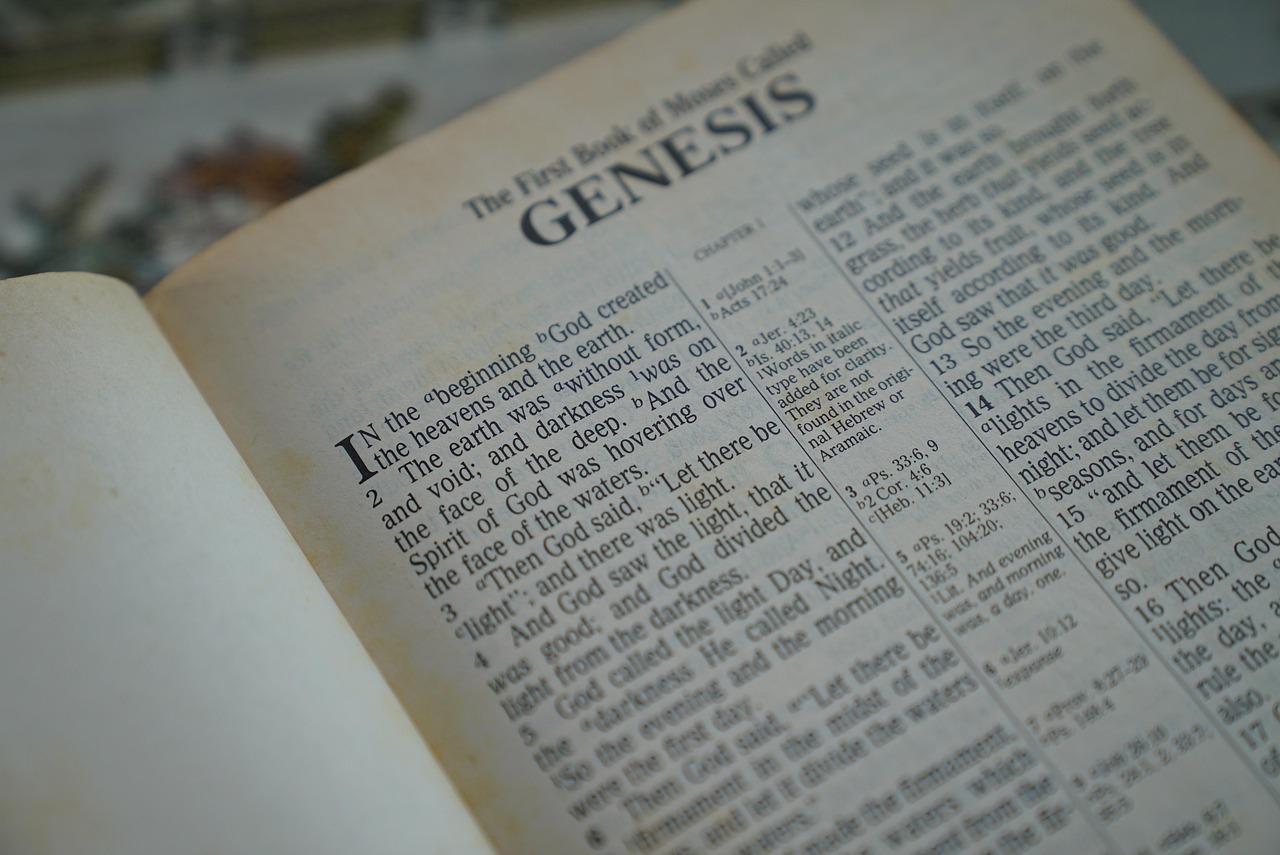
Have you ever wondered why the world feels both incredibly beautiful and deeply broken? The Book of Genesis provides the map we need to understand our origins, our purpose, and the grand rescue mission God launched to bring us back to Himself. As the 'book of beginnings,' it serves as the cornerstone for everything else we read in Scripture.
When we embark on a book of genesis overview, we aren't just looking at ancient history; we are looking at the roots of our own family tree. From the majestic moment God spoke light into existence to the intimate promises made to a wandering nomad named Abraham, Genesis sets the stage for the entire drama of redemption.
In this guide, we will walk through the major themes, key figures, and life-changing lessons found within these fifty chapters. Whether you are a seasoned believer or picking up the Bible for the first time, Genesis has a unique way of speaking directly to the human heart.
The Architecture of Beginnings: Creation and Design
The book opens with perhaps the most famous words ever written: 'In the beginning, God created the heavens and the earth' (Genesis 1:1). In these first two chapters, we see a God of order, beauty, and intentionality. He didn't create the universe out of a need for companionship, but as an overflow of His own glory and love. Understanding this is the first step in any book of genesis overview because it establishes God as the sovereign Creator and humanity as His image-bearers.
Genesis 1 and 2 show us that work, rest, marriage, and stewardship were all part of God’s 'very good' design. We see that humans are unique among all creation because we carry the Imago Dei—the image of God (Genesis 1:27). This gives every human life inherent dignity and purpose. When we study these chapters, we are reminded that we aren't accidents of biology; we are masterpieces of a Divine Artist.
The Great Rupture: Understanding the Fall of Man
If Genesis 1-2 shows us how things ought to be, Genesis 3 explains why they aren't. This chapter records the entrance of sin into the world through the disobedience of Adam and Eve. It’s a heartbreaking turn in the narrative, as the perfect fellowship between God and man is fractured. We see the immediate consequences: shame, fear, and a curse that affects the very ground we walk on.
However, even in the middle of judgment, God provides the first glimmer of hope. In Genesis 3:15, God promises that the seed of the woman will one day crush the head of the serpent. This is the first heartbeat of the Gospel. As you study the fall, look for the 'coats of skins' God provided for Adam (Genesis 3:21)—a physical picture of how sacrifice is required to cover our nakedness and sin.
The Four Great Events of Primeval History
The first eleven chapters of Genesis focus on the global scale of human history. These are often categorized into four major events: the Creation, the Fall, the Flood, and the Tower of Babel. Each event reveals something profound about the character of God and the nature of humanity. For instance, the story of Noah and the Flood (Genesis 6-9) demonstrates God’s holy justice against sin, but also His incredible mercy in preserving a remnant.
The Tower of Babel (Genesis 11) serves as a warning against human pride and the attempt to build a world without God. It explains the origin of different languages and cultures, but more importantly, it shows that humanity’s efforts to 'make a name for ourselves' always lead to confusion. These opening chapters provide the necessary context for why God chose to call one specific man—Abraham—to be the channel of His blessing to the whole world.
The Call of Abraham: A Journey of Faith
At Genesis 12, the lens of the book shifts from the whole world to one family. God calls Abram (later Abraham) to leave his country and kin for a land God would show him. This is the beginning of the Abrahamic Covenant, a central theme in any book of genesis overview. God promises Abraham three things: a land, a great nation, and that through him, all the families of the earth will be blessed (Genesis 12:1-3).
Abraham’s life is a masterclass in the 'ups and downs' of faith. We see him bravely follow God into the unknown, yet we also see him struggle with doubt and take matters into his own hands. Yet, Genesis 15:6 tells us that 'he believed the Lord, and he counted it to him as righteousness.' This verse becomes the foundation for the New Testament doctrine of justification by faith (Romans 4). It reminds us that God doesn't call perfect people; He calls people and perfects them through His grace.
Isaac and Jacob: The Promise Passed Down
The story continues through Isaac and then his son Jacob. Isaac’s life is marked by the miraculous nature of his birth and the famous scene on Mount Moriah where God provided a ram in his place (Genesis 22). This event is a powerful foreshadowing of God providing His own Son, the Lamb of God, for our sins. It teaches us that God is our Provider (Jehovah Jireh).
Jacob’s story is perhaps the most relatable for many. He was a 'supplanter' and a deceiver, yet God pursued him relentlessly. After a literal wrestling match with God (Genesis 32), Jacob’s name is changed to Israel. His life proves that God can take a crooked stick and draw a straight line. The twelve sons of Jacob would go on to become the twelve tribes of Israel, fulfilling God's promise to make Abraham’s descendants into a great nation.
The Providence of Joseph: What Man Meant for Evil
The final thirteen chapters of Genesis are dedicated to the life of Joseph. It is a story of betrayal, slavery, false accusation, and imprisonment. Yet, the recurring phrase throughout Joseph’s trials is: 'The Lord was with Joseph' (Genesis 39:2, 21). This section of Genesis teaches us about the mysterious and wonderful providence of God—His ability to direct even the worst human intentions to accomplish His good purposes.
When Joseph is finally reunited with his brothers, he utters one of the most significant sentences in the entire Bible: 'As for you, you meant evil against me, but God meant it for good' (Genesis 50:20). Joseph becomes a savior for both his family and the known world during a famine. His life reminds us that no matter how dark our current circumstances might seem, God is working behind the scenes to bring about a redemptive end.
Practical Steps for Your Genesis Study
To get the most out of your study, try reading Genesis through the lens of 'Covenant.' Look for the promises God makes and the signs He gives (like the rainbow or circumcision). Keep a notebook and divide it into two columns: 'Man's Failure' and 'God’s Faithfulness.' You will quickly notice that while man's column is full of mistakes, God’s column is full of persistent, unmerited grace.
Finally, don't rush. Genesis is a long book with a lot of names and genealogies. When you hit a list of names, remember that those names represent real people whom God knew and loved. Use a good study Bible to help with the cultural context of the ancient Near East, which can explain some of the more unusual customs mentioned in the text. Most importantly, pray before you read, asking the Holy Spirit to show you the 'beginnings' of His work in your own heart.
Final Thoughts
The Book of Genesis is more than just a historical record; it is the foundation of our identity as children of God. As you close this overview and begin your personal study, remember that Every genealogy and every promise points forward to Jesus Christ, the one who would eventually crush the serpent’s head and bring us home.
Take your time as you move through these fifty chapters. Let the stories of the patriarchs remind you that God works through imperfect people. His grace is the thread that holds human history together, and that same grace is available to you today as you walk in the footsteps of the faithful.
Continue your study with our companion guide: What Does the Bible Say About Death? Hope Beyond the Grave.
Frequently Asked Questions
Who wrote the Book of Genesis?
Tradition and internal biblical evidence point to Moses as the author. While Genesis doesn't explicitly name him, the rest of the Pentateuch (the first five books of the Bible) and Jesus Himself refer to the 'Law of Moses,' which includes the foundational narratives found in Genesis.
How much time does the Book of Genesis cover?
Genesis covers a vast amount of time—more than the rest of the Bible combined. It spans from the moment of creation through the deaths of Jacob and Joseph, covering roughly 2,300 years of human history depending on specific chronological interpretations.
Is Jesus mentioned in Genesis?
Yes! Genesis is filled with 'types' of Christ. For example, Joseph’s rejection by his brothers and subsequent exaltation to save the world mirrors Jesus’ life. Additionally, Genesis 3:15 is known as the 'Protoevangelium' or the first hint of the Gospel.
How should a beginner start studying Genesis?
A great way to start is by reading one chapter a day. Focus first on the four major events (Creation, Fall, Flood, Nations) and then the four major people (Abraham, Isaac, Jacob, Joseph). Use a journal to note how God shows His faithfulness even when people fail.
Newsletter
Get weekly encouragement in your inbox
Join our newsletter for new Bible studies, prayer guides, and devotionals — every Sunday. No spam, unsubscribe anytime.
We respect your privacy. Read our privacy policy.
Related Articles
More from Bible Study and across Faithful Today Info.

Explore the deep biblical meaning of the Lord's Supper. Discover what is communion, its historical roots, and how this sacred meal connects us to Christ and the Church.

Explore the biblical perspective on death, the promise of the resurrection, and the hope we have in Jesus Christ. Understand why death is not the end for those in Him.

Discover the profound meaning of the 9 fruits of the Holy Spirit found in Galatians 5. Learn how to cultivate love, joy, peace, and more through a verse-by-verse study designed for daily Christian living.