The Book of Ecclesiastes Explained: Finding Meaning in a Vain World
Discover the profound wisdom of the Book of Ecclesiastes. Learn how to find lasting joy and divine purpose in a world that often feels temporary and 'under the sun.'
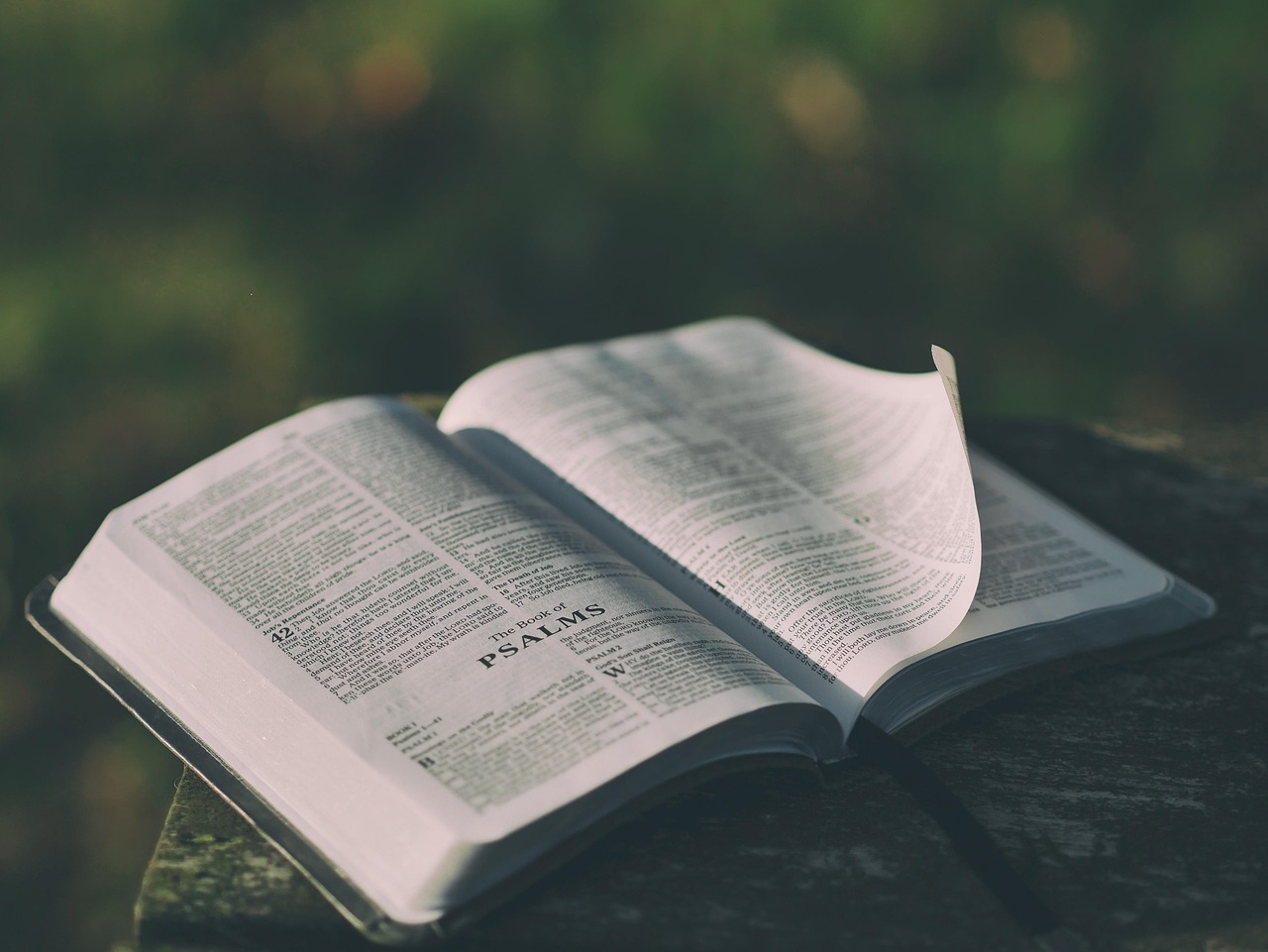
Have you ever scrolled through your social media feed, looked at your bank account, or stared at the ceiling at 2:00 AM and felt a nagging sense of 'is this all there is?' If you have, you are in good company. Thousands of years ago, a man who had everything—unimaginable wealth, absolute power, and world-renowned wisdom—asked the same thing. The Book of Ecclesiastes is his honest, raw, and ultimately beautiful journal of that search for significance.
At first glance, this book can feel like a cold splash of water. It’s famous for the refrain 'Vanity of vanities, all is vanity' (Ecclesiastes 1:2). But as we dive deeper into the Book of Ecclesiastes meaning, we discover that it isn't a manual for despair. Instead, it is a brilliant guide that teaches us how to live well in a broken world by shifting our gaze from the temporary to the eternal. It’s an invitation to stop chasing the wind and start resting in the One who holds the wind in His hands.
The Concept of 'Hebel': Life as a Passing Mist
To understand the Book of Ecclesiastes meaning, we have to start with the Hebrew word 'hebel.' In most English Bibles, it’s translated as 'vanity' or 'meaningless.' This often gives readers the impression that Solomon thinks life is a cruel joke. However, the literal meaning of 'hebel' is 'vapor' or 'smoke.' Imagine trying to grab a cloud of steam from a kettle; your fingers go right through it. You can see it, it’s real, but you can’t get a grip on it.
Solomon uses this metaphor 38 times to describe our lives 'under the sun.' He isn't saying that life has no value; he’s saying that life is fleeting and uncontrollable. We spend so much energy trying to build monuments to ourselves, but the wind of time eventually blows them all away. When we accept that life is 'hebel,' we stop trying to control the uncontrollable and start trusting the God who is permanent. Living in light of this reality actually removes the crushing pressure to 'make it' by the world's standards.
The Dead End of Secular Satisfaction
In his quest for purpose, Solomon conducted what we might call the 'ultimate life experiment.' He had the resources to try everything. He pursued intellectual brilliance, but found that 'in much wisdom is much vexation' (Ecclesiastes 1:18). He pursued pleasure, wine, and laughter, only to finds it empty. He undertook massive building projects and accumulated gold, yet he concluded that he still felt unsatisfied. This is a core part of the Book of Ecclesiastes meaning: earthly things are terrible gods.
We often think, 'If I only had a bigger house, a better job, or a more curated life, I'd finally be happy.' Solomon stands at the finish line of those achievements and waves us back, shouting, 'It’s not there!' This isn't to say that houses or jobs are bad, but that they cannot carry the weight of our souls. When we try to make the creation satisfy a hunger that only the Creator can fill, we will always end up frustrated. Solomon’s 'vanity' is the grace-filled warning that helps us redirect our worship toward the Father.
Understanding Life 'Under the Sun'
One of the most frequent phrases in the book is 'under the sun.' It appears nearly 30 times and serves as a vital key to unlocking the text. This phrase refers to the horizontal perspective—living as if this life is the only thing that exists. If you look at life strictly 'under the sun,' things frequently don't make sense. The wicked prosper, the righteous suffer, and everyone eventually faces the same fate: death (Ecclesiastes 9:2). If this world is all there is, then life truly is a 'striving after wind.'
However, the author doesn't leave us there. By showing the limitations of the 'under the sun' perspective, he prepares us for the 'above the sun' reality. This perspective shift is essential for the Christian walk. We live in the tension of the 'now' and the 'not yet.' We see the injustices of the world, but we remember that there is a Judge who stands above the sun. This realization allows us to be honest about our pain without falling into cynicism, because we know this earthly vapor is not the end of the story.
A Time for Everything: Embracing God’s Sovereignty
Ecclesiastes 3 is perhaps the most famous passage in the book, listed for its rhythmic beauty: 'For everything there is a season, and a time for every matter under heaven' (Ecclesiastes 3:1). While often read at funerals or weddings, its heart is a profound theological statement about God’s timing. Solomon lists opposites—birth and death, weeping and laughing, keeping and casting away—to show that God is the sovereign orchestrator of all seasons.
Practical application here is about surrender. We often waste our lives fighting the season we are in. We want to be in a season of 'gathering' when God has called us to a season of 'losing.' The Book of Ecclesiastes meaning teaches us that peace comes not from changing our circumstances, but from trusting that 'He has made everything beautiful in its time' (Ecclesiastes 3:11). Even the difficult seasons serve a divine purpose that we may not fully grasp from our limited vantage point.
The Gift of the Simple Moment
If everything is 'hebel,' should we just sit in a dark room and wait for the end? Absolutely not! Surprisingly, Ecclesiastes is full of calls to joy. Six different times, Solomon tells us to eat, drink, and find enjoyment in our toil. But there’s a catch: these things are described as 'the gift of God' (Ecclesiastes 3:13). When we stop demanding that our work or our food give us ultimate meaning, we are finally free to enjoy them for what they are.
A sandwich is just a sandwich—unless you see it as a gift from a loving Father. Then, it becomes a reason for praise. The Book of Ecclesiastes meaning encourages us to find 'daily bread' joy. We don't need a mountain-top experience to be happy. We can find holiness and happiness in the quiet moments: a conversation with a spouse, the satisfaction of a job well done, or the warmth of the sun on our faces. This is the 'holy ordinary' that Solomon advocates for throughout his reflections.
Wisdom in the Face of Injustice
Solomon was a king, yet he was deeply disturbed by the corruption he saw in the halls of justice. He observed that 'in the place of justice, even there was wickedness' (Ecclesiastes 3:16). For many of us, the brokenness of the world is a major stumbling block to faith. How can a good God allow such chaos? Solomon’s answer is both realistic and reverent. He acknowledges the pain, but points toward a final accounting.
Because God will judge the righteous and the wicked, we don't have to carry the burden of being the ultimate judge ourselves. We are called to live wisely, to do good, and to stand for truth, but we leave the final 'setting things right' to the One who sees the end from the beginning. This prevents us from becoming bitter. We can work for justice 'under the sun' while resting in the King who sits above it. Wisdom, in this sense, is recognizing our limits and God’s limitlessness.
The Conclusion of the Matter: Fearing God
After 12 chapters of searching every corner of human experience, Solomon reaches his final destination. He summarizes the entire Book of Ecclesiastes meaning in a few powerful words: 'The end of the matter; all has been heard. Fear God and keep his commandments, for this is the whole duty of man' (Ecclesiastes 12:13). To 'fear God' isn't to be terrified of Him, but to have a profound, world-shaping awe and reverence for His holiness and authority.
This is where the 'vapor' of life finds its solid ground. When God is at the center, everything else falls into its proper place. Our work, our relationships, and our time are no longer things we use to try and justify our existence. Instead, they become ways we express our love and obedience to Him. The duty of man isn't to figure out the secret meaning of every mystery; it's to walk faithfully with the Creator in the midst of the mystery. That is where we find the 'life that is truly life.'
Final Thoughts
The Book of Ecclesiastes meaning isn't found in a nihilistic rejection of life, but in a reverent acceptance of it as a gift. When we stop trying to be the gods of our own destiny, we are finally free to enjoy the dinner on our table, the work of our hands, and the companionship of our friends.
As you close this study, remember the words of Solomon: 'Fear God and keep his commandments.' In a world where everything is shifting sand, His grace is the only solid rock. Walk forward today not with the burden of figuring everything out, but with the joy of knowing the One who holds it all together.
Continue your study with our companion guide: What Does the Bible Say About Death? Hope Beyond the Grave.
Frequently Asked Questions
What does Solomon mean by 'everything is vanity'? Balancing 'hebel' and hope.
The word 'hebel' is often translated as 'vanity,' but it literally means 'vapor' or 'mist.' Solomon isn't saying life is worthless; he's saying it is fleeting, temporary, and difficult to grasp or control.
Who wrote the Book of Ecclesiastes and why does it matter?
King Solomon is traditionally identified as the author. He describes himself as the 'son of David, king in Jerusalem,' and his descriptions of unmatched wealth and wisdom align with the biblical account of Solomon's life in 1 Kings.
Is Ecclesiastes a pessimistic or depressing book for Christians?
No, it is actually a deeply hopeful book. By stripping away false hopes (like money, fame, or work), it clears the path for us to find real hope in God. It helps us stop expecting the world to provide what only the Creator can.
What is the significance of the phrase 'under the sun'?
The phrase 'under the sun' refers to life lived strictly from a human, horizontal perspective, without considering God's eternal sovereignty. It describes the fallen world we navigate daily.
Newsletter
Get weekly encouragement in your inbox
Join our newsletter for new Bible studies, prayer guides, and devotionals — every Sunday. No spam, unsubscribe anytime.
We respect your privacy. Read our privacy policy.
Related Articles
More from Bible Study and across Faithful Today Info.
Explore the deep biblical meaning of the Lord's Supper. Discover what is communion, its historical roots, and how this sacred meal connects us to Christ and the Church.

Explore the biblical perspective on death, the promise of the resurrection, and the hope we have in Jesus Christ. Understand why death is not the end for those in Him.

Discover the profound meaning of the 9 fruits of the Holy Spirit found in Galatians 5. Learn how to cultivate love, joy, peace, and more through a verse-by-verse study designed for daily Christian living.