Bible Verses About Forgiveness: A Complete Scripture Guide
Discover what the Word of God says about grace, restoration, and letting go of bitterness. This guide explores bible verses about forgiveness to help you find peace and extend mercy to others.

Forgiveness is one of the most beautiful yet challenging themes found throughout the Holy Scriptures. It lies at the very heart of the Gospel, serving as the bridge between a holy God and a fallen humanity. For many, however, understanding how to apply this grace in daily life feels like an uphill struggle against our natural instincts for justice and retribution.
In this comprehensive guide, we will explore key bible verses about forgiveness to understand what God requires of us and how His mercy transforms our lives. Whether you are seeking to receive God's grace or struggling to extend mercy to someone who has deeply wronged you, the Word of God provides a clear and life-giving roadmap.
The Foundation: Receiving God’s Forgiveness
Before we can ever hope to forgive others, we must first grasp the depth of the forgiveness we have received from God. The Bible teaches that our sin separated us from a holy Creator, but because of His great love, He provided a way back through Jesus Christ. Ephesians 1:7 says, 'In him we have redemption through his blood, the forgiveness of our trespasses, according to the riches of his grace.' This is the bedrock of the Christian faith: we are forgiven not because of our works, but because of His mercy.
Receiving this grace requires a heart of repentance. In 1 John 1:9, we find one of the most comforting promises in all of Scripture: 'If we confess our sins, he is faithful and just to forgive us our sins and to cleanse us from all unrighteousness.' This verse assures us that no matter how far we have wandered, God’s arms are open to receive us the moment we turn back to Him with a sincere heart. Living in the freedom of being forgiven is the first step toward a healthy spiritual life.
Why the Bible Commands Us to Forgive Others
Jesus was very clear about the necessity of extending grace to those who hurt us. In the Lord’s Prayer, He teaches us to pray, 'And forgive us our debts, as we also have forgiven our debtors' (Matthew 6:12). This isn't just a suggestion; it is a spiritual imperative. When we hold onto a grudge, we build a wall around our own hearts that prevents us from fully experiencing the peace and joy that God intends for us.
One of the most striking bible verses about forgiveness is found in Colossians 3:13: 'Bear with each other and forgive one another if any of you has a grievance against someone. Forgive as the Lord forgave you.' This verse sets the standard for our behavior. We don't forgive because the other person deserves it, or because they have apologized. We forgive because we have been the recipients of a much greater forgiveness from Christ. By letting go of the debt of others, we reflect the character of our Heavenly Father to the world.
The Parable of the Unmerciful Servant
In Matthew 18:21-35, Jesus tells a powerful story to illustrate the gravity of unforgiveness. Peter asks Jesus if he should forgive someone seven times, thinking himself generous. Jesus responds, 'I tell you, not seven times, but seventy-seven times' (Matthew 18:22). He then shares the story of a servant who was forgiven a massive, unpayable debt by a king, but then went out and choked a fellow servant over a tiny sum.
The lesson is clear: compared to the debt God has forgiven us, any offense committed against us by a fellow human is small. When we refuse to forgive, we act like the unmerciful servant, failing to appreciate the mercy we’ve received. This parable warns us that an unforgiving heart is in a dangerous position spiritually. Forgiveness is an act of worship where we acknowledge that God is the ultimate judge and that His mercy is sufficient for all.
Dealing with Anger and Bitterness
The emotional weight of being wronged often manifests as anger, which can quickly turn into poisonous bitterness. The Bible does not ignore these emotions but gives us guidance on how to handle them. Ephesians 4:31-32 instructs, 'Get rid of all bitterness, rage and anger, brawling and slander, along with every form of malice. Be kind and compassionate to one another, forgiving each other, just as in Christ God forgave you.'
Letting go of bitterness is often a daily choice. It involves bringing our pain to God and asking Him to heal the wounds. Hebrews 12:15 warns us to 'See to it that no one falls short of the grace of God and that no bitter root grows up to cause trouble and defile many.' Bitterness doesn't just hurt the person who offended us; it defiles our own soul and affects our relationships with others. Choosing to forgive is the only way to pull up that 'bitter root' before it takes over our lives.
The Difference Between Forgiveness and Reconciliation
A common misconception is that forgiving someone means you must immediately return to the exact same relationship dynamic as before. While forgiveness is a command for the Christian, reconciliation is a process that depends on both parties. Romans 12:18 says, 'If it is possible, as far as it depends on you, live at peace with everyone.' This acknowledges that sometimes, despite our best efforts, peace and restoration may not be possible because of the other person's actions or lack of repentance.
Forgiveness happens in your heart between you and God; it is the release of resentment. Reconciliation requires trust, and trust must be rebuilt over time. It is possible to forgive someone and still maintain healthy boundaries for your safety and well-being. Looking at bible verses about forgiveness helps us see that while we are called to love our enemies and pray for those who persecute us (Matthew 5:44), we are also called to walk in wisdom and discernment.
Finding the Strength to Forgive the Unforgivable
There are some wounds so deep that they feel impossible to forgive. In our own strength, they likely are. However, the Christian life is lived through the power of the Holy Spirit. Philippians 4:13 reminds us, 'I can do all things through him who strengthens me.' This includes the difficult work of forgiving someone who has caused significant trauma or loss. We must rely on God's strength rather than our own fading willpower.
When we look at Jesus on the cross, we see the ultimate example of this. As He was being mocked and tortured, He prayed, 'Father, forgive them, for they do not know what they are doing' (Luke 23:34). He didn't wait for His executioners to show remorse. He looked at them through the lens of divine compassion. When we struggle to forgive, we can ask God to give us His eyes to see the brokenness in others, which helps us move from a place of victimhood to a place of victory in Christ.
The Blessing of a Clean Heart
Living a life of forgiveness brings a profound sense of peace. When we are no longer carrying the heavy bag of past grievances, we walk lighter. Psalm 103:12 tells us, 'As far as the east is from the west, so far has he removed our transgressions from us.' This is the kind of total freedom God offers us, and it is the kind of freedom we offer ourselves when we release others. It allows our prayer lives to become more vibrant and our fellowship with God to be unhindered.
Furthermore, forgiveness is a key to physical and emotional health. Studies have shown that those who practice forgiveness have lower stress levels and better heart health. More importantly, it aligns us with the will of God. As we study bible verses about forgiveness, we realize that grace is not a limited resource. The more we give it away, the more we find ourselves enveloped in the boundless love of our Savior. Choose today to step out of the prison of unforgiveness and into the sunshine of God’s grace.
Final Thoughts
Forgiveness is not a one-time event but often a lifelong journey of walking with the Holy Spirit. By looking at these bible verses about forgiveness, we see a God who is eager to restore us and who empowers us to offer that same grace to others. It is one of the most powerful testimonies a Christian can offer to a watching world.
As you meditate on these scriptures, ask the Lord to soften any areas of bitterness and to replace them with His divine peace. Remember that you do not walk this path alone; the same Christ who forgave you on the cross is interceding for you today, giving you the strength to let go and live in the freedom of His love.
Continue your study with our companion guide: What Does the Bible Say About Death? Hope Beyond the Grave.
Frequently Asked Questions
Does forgiving someone mean I have to trust them again?
Biblical forgiveness is a decision to release a person from the debt they owe you for their offense. It does not mean you have to trust them immediately or remain in an abusive situation. Forgiveness is of the heart; reconciliation requires both parties.
Why is it necessary for me to forgive others?
Yes. In Matthew 6:14-15, Jesus explains that our willingness to forgive others is directly linked to our heart's posture toward receiving God's forgiveness. Refusal to forgive shows a heart that doesn't fully grasp the magnitude of God's grace toward us.
How do I forgive someone when it still hurts?
Start by praying for the person, as Jesus commanded. Focus on the truth of what God has done for you through Christ. Forgiveness is often a process where you must 'choose' to forgive every time the memory of the hurt resurfaces.
What if I can't forgive myself?
If you have confessed your sins to God, 1 John 1:9 promises you are forgiven. Feeling guilty is often a spiritual attack or a struggle with your own emotions. Trust God's Word more than your feelings; if He says you are forgiven, you truly are.
Newsletter
Get weekly encouragement in your inbox
Join our newsletter for new Bible studies, prayer guides, and devotionals — every Sunday. No spam, unsubscribe anytime.
We respect your privacy. Read our privacy policy.
Related Articles
More from Bible Study and across Faithful Today Info.
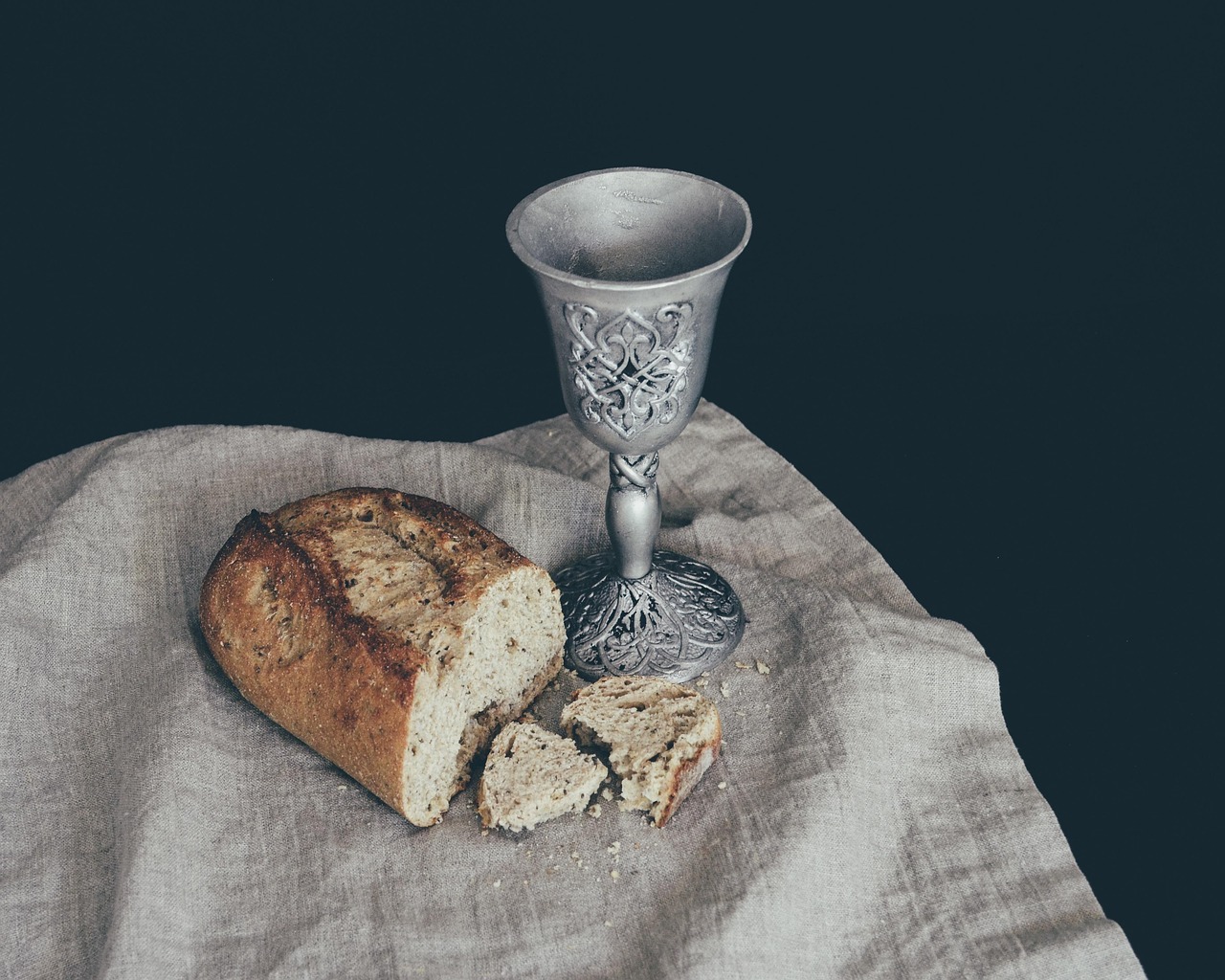
Explore the deep biblical meaning of the Lord's Supper. Discover what is communion, its historical roots, and how this sacred meal connects us to Christ and the Church.

Explore the biblical perspective on death, the promise of the resurrection, and the hope we have in Jesus Christ. Understand why death is not the end for those in Him.

Discover the profound meaning of the 9 fruits of the Holy Spirit found in Galatians 5. Learn how to cultivate love, joy, peace, and more through a verse-by-verse study designed for daily Christian living.