What Is Worship in the Bible? Beyond Music to a Life of Praise
Worship is more than a Sunday morning song; it is a holistic lifestyle of honoring God. Discover the biblical meaning of worship and how to live a life of praise.
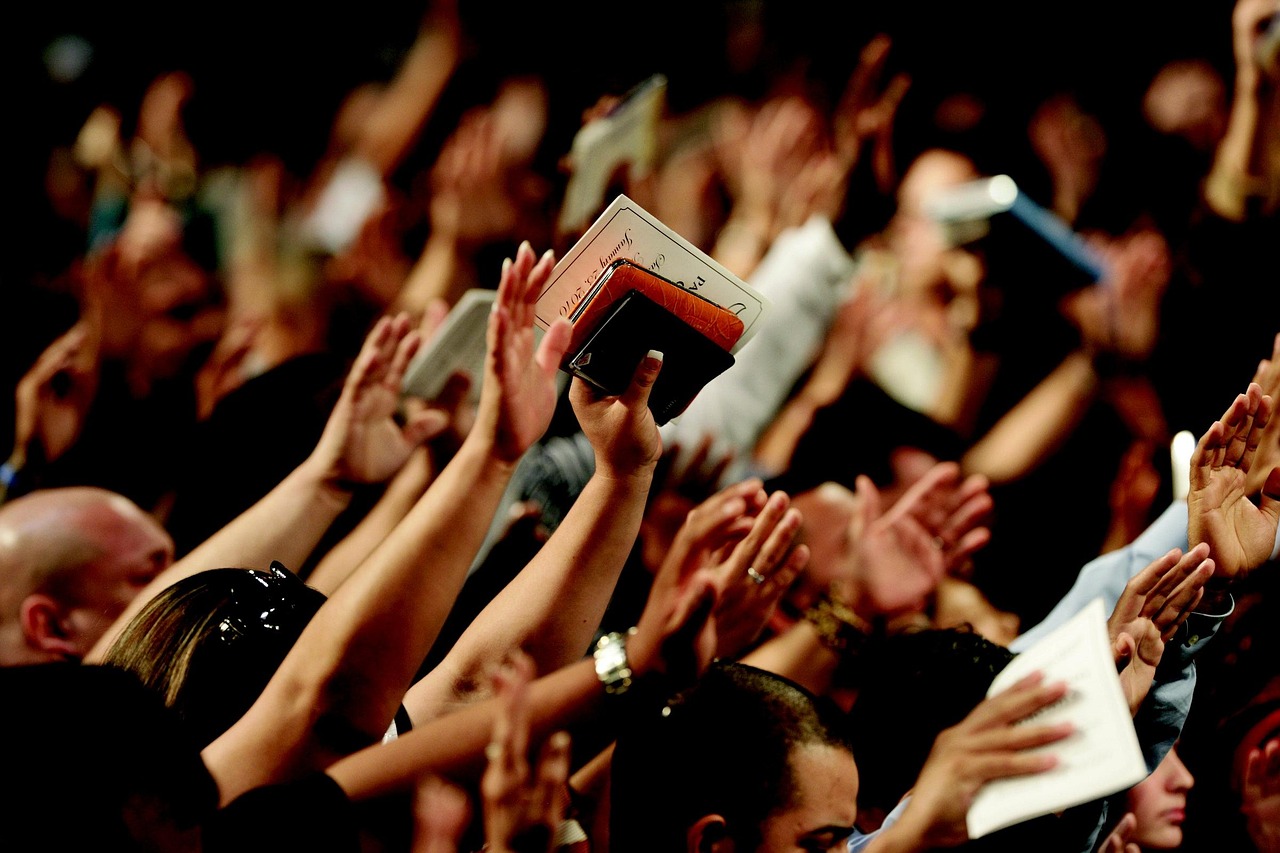
Many of us grew up thinking that 'worship' was simply the 20-minute segment of a church service where the band plays and we sing along. We’ve come to associate the word with melodies, harmonies, and perhaps a specific style of music. But if we pull back the curtain on the scriptures, we find a much deeper, more vibrant reality.
So, what is worship in the Bible? Far from being a musical genre, worship is a total-life response to the character and actions of God. It is the posture of a heart that recognizes the worthiness of the Creator and seeks to honor Him in every sphere of existence. To truly understand worship, we must look past the microphone and toward the altar of our daily lives.
Defining the Heart of Biblical Worship
To understand what is worship in the Bible, we have to look at the original languages. In the Old Testament, the Hebrew word most often translated as worship is 'shachah', which literally means to bow down or prostrate oneself. It implies a physical gesture of total submission and reverence. In the New Testament, the Greek word 'proskuneo' carries a similar meaning—to kiss toward or to do homage.
Notice that neither of these primary words mentions music. Instead, they describe a relationship of power and devotion. Worship is the act of acknowledging God's 'worth-ship.' It is the recognition that He is the most valuable, most significant, and most beautiful being in the universe. When we worship, we are coming into alignment with the truth of who God is and who we are in relation to Him.
Worship as a Living Sacrifice (Romans 12:1)
Perhaps the most transformative definition of 'what is worship in the Bible' comes from the Apostle Paul in Romans 12:1. He writes, 'I appeal to you therefore, brothers, by the mercies of God, to present your bodies as a living sacrifice, holy and acceptable to God, which is your spiritual worship.' This verse shifts worship from a temple ritual to a daily reality.
Under the Old Covenant, worship involved bringing a dead animal to the altar. Under the New Covenant, the altar is our life, and the sacrifice is ourselves—alive and active. This means that your 'spiritual worship' happens when you choose integrity over a shortcut at work, when you speak kindly to a frustrating neighbor, or when you use your finances to bless someone in need. Every moment becomes an opportunity for praise.
Worship in Spirit and Truth
In John 4, Jesus has a conversation with a Samaritan woman that changed the landscape of worship forever. He told her that a time was coming—and had now come—when the true worshipers would worship the Father in 'spirit and truth' (John 4:23-24). This was a revolutionary statement that de-emphasized physical locations like Jerusalem or Mount Gerizim.
To worship in spirit means our worship must come from our innermost being, empowered by the Holy Spirit. It isn't just an external ritual. To worship in truth means our worship must be based on the reality of who God has revealed Himself to be in His Word. If we have a high emotional experience but no biblical foundation, we aren't truly worshipping the God of the Bible. If we have cold doctrine but no heart-felt devotion, we are missing the Spirit. True worship requires both.
The Power of Praise in the Midst of Trials
When things are going well, singing a song of praise feels natural. But the Bible shows us that some of the most profound worship happens in the dark. Think of Paul and Silas in the depths of a Philippian jail (Acts 16:25). Their backs were bleeding, their feet were in stocks, yet at midnight, they were praying and singing hymns.
This reminds us that worship is not based on our circumstances, but on God's unchanging character. When we choose to acknowledge God's goodness while we are in pain, we are declaring that He is greater than our problems. This kind of worship breaks chains—not just for us, but often for those watching us. It is a powerful testimony to a world that only knows how to 'worship' when life is easy.
Practical Ways to Live a Life of Praise
If we want to move beyond music, we must find ways to integrate worship into our normal routine. One practical step is the practice of 'breath prayers' or short bursts of gratitude throughout the day. Simply saying, 'Lord, thank You for this meal,' or 'God, give me Your wisdom for this meeting,' keeps our hearts tethered to His presence.
Another way to worship is through the stewardship of our talents. When you do your work with excellence and a servant’s heart, you are honoring the God who gave you those abilities. Colossians 3:23 reminds us, 'Whatever you do, work heartily, as for the Lord and not for men.' Your workplace is your sanctuary; your computer or your tools are your instruments of praise.
The Role of Obedience in Worship
We cannot talk about 'what is worship in the Bible' without talking about obedience. In 1 Samuel 15:22, the prophet Samuel gives a stern warning: 'Has the Lord as great delight in burnt offerings and sacrifices, as in obeying the voice of the Lord? Behold, to obey is better than sacrifice.' God is not impressed by our loud singing if our lives are marked by persistent, unrepentant rebellion.
True worship is an act of the will that leads to a change in behavior. When we choose to follow God's commands—especially the ones that are difficult—we are laying down our crowns and acknowledging Him as King. Obedience is the highest form of flattery we can offer to our Creator. It shows that we trust His wisdom more than our own desires.
Corporate Worship: The Beauty of the Gathering
While worship is a daily lifestyle, the Bible also places a high value on the gathering of the saints. Hebrews 10:25 exhorts us not to neglect meeting together. There is something unique and powerful that happens when the Body of Christ comes together to lift up one voice. It is a foretaste of the eternal worship described in the book of Revelation.
In a corporate setting, we encourage one another through psalms, hymns, and spiritual songs (Ephesians 5:19). We hear the Word preached, we partake in the sacraments, and we carry one another's burdens. Individual lifestyle worship fuels the corporate gathering, and the corporate gathering strengthens us for another week of lifestyle worship. Both are essential for a healthy walk with Christ.
Final Thoughts
Ultimately, worship is the overflow of a heart that has been captivated by the goodness of God. It is not a ritual we perform to earn His favor, but a joyous response to the grace we have already received through Jesus Christ.
As you move through your week, remember that your work, your rest, and your relationships are all altars of praise. May your life be a sweet-smelling sacrifice, honoring the One who gave everything for you.
Continue your study with our companion guide: Bible Verses About Worry: 20 Scriptures to Calm an Anxious Mind.
Frequently Asked Questions
Is worship only about singing songs?
While music is a powerful expression of worship (Psalm 150), it is only one form. Biblical worship involves obedience, service, prayer, and how we treat others. You can worship God while washing dishes or working at an office just as much as when you are singing in a choir.
Can you worship God the 'wrong' way?
Worship is primarily for God, not for us. However, 'bad' worship is often defined in Scripture as worship that is hypocritical—where the lips honor God but the heart is far from Him (Isaiah 29:13). True worship requires sincerity and a desire to align our lives with His will.
Do I have to go to church to worship?
Corporate worship (Hebrews 10:25) is vital for the health of the believer and the church body. While you can and should worship God alone, gathering with other believers provides a unique opportunity to encourage one another and witness God's work in a community.
How do I worship when I don't feel like it?
In moments of grief, worship often takes the form of 'lament.' This involves bringing your pain honestly to God, acknowledging His sovereignty even when life is hard. Job worshipped God in the midst of his loss (Job 1:20-21), proving that praise is an act of the will, not just an emotion.
Newsletter
Get weekly encouragement in your inbox
Join our newsletter for new Bible studies, prayer guides, and devotionals — every Sunday. No spam, unsubscribe anytime.
We respect your privacy. Read our privacy policy.
Related Articles
More from Prayer & Devotion and across Faithful Today Info.

Discover comfort and hope through these powerful bible verses about depression. Learn how God meets you in the darkness and offers a peace that surpasses understanding.

Discover 20 powerful Bible verses about worry to help calm your anxious mind. Learn how to trade your heavy burdens for God's perfect, lasting peace.

Discover how bedtime prayers can transform your rest. Explore 10 biblically-grounded night prayers to surrender anxiety and find deep peace in God's presence.